
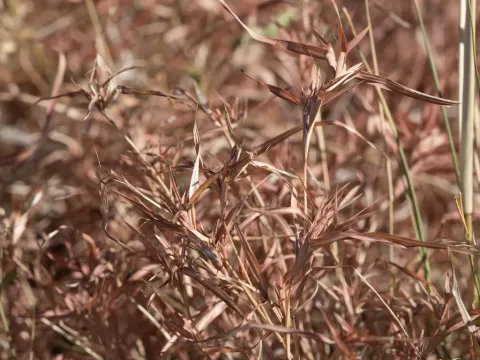
Iseilema
Iseilema
Iseilema seeds are typically sown at the onset of the rainy season, which is essential to provide sufficient moisture for germination and establishment.
What the section contains

Iseilema
The seeds should be sown at a shallow depth of 1–2 centimeters in well-prepared soil to ensure they have the best conditions for emerging.
This grass is highly valued for its ability to naturally regenerate through self-seeding, which makes it an excellent choice for pasture reseeding projects.
In cultivated fields, seed rates should be calibrated based on local soil moisture levels and the desired density of the final sward.
Rapid initial growth allows Iseilema to establish itself quickly, effectively colonizing the area and suppressing the emergence of competing weed species.
Belonging to the Poaceae family, Iseilema is a warm-season grass that thrives in tropical and subtropical regions characterized by seasonal rainfall patterns.
The plant requires full exposure to sunlight and does not perform well in shaded environments, which can significantly stunt its vegetative development.
It performs exceptionally well on heavy clay soils, which are capable of retaining moisture through dry spells and providing stability to the root system.
Iseilema is widely recognized for its superior drought tolerance, allowing it to remain productive during periods when other forage grasses fail.
The species is adapted to habitats that experience periodic waterlogging, showing resilience to fluctuating soil moisture levels throughout the growing season.
The primary agricultural use of Iseilema is as a high-quality forage crop for grazing livestock, including cattle and sheep in arid regions.
It remains palatable and nutritionally valuable even as it matures, providing a reliable source of dry matter when fresh green grass is scarce.
The grass is known for its ability to recover rapidly after grazing, provided that the pasture management allows for sufficient rest periods.
In extensive grazing systems, Iseilema can contribute to a highly sustainable feed base, reducing the need for expensive supplementary hay feeding.
Optimal grazing rotation is recommended to maintain the vigour of the plants and ensure consistent biomass production across the agricultural season.
Fungal diseases, such as leaf rust and various leaf spot pathogens, can impact the health of the plants, particularly during periods of high humidity.
Insect pests, including grasshoppers and certain stem-boring larvae, pose a threat to the vegetative canopy if their populations are not monitored.
Overgrazing remains the most significant threat to Iseilema stands, as it can deplete root carbohydrate reserves and lead to long-term stand decline.
Aggressive weed encroachment can outcompete Iseilema in areas where soil management is neglected, leading to a decrease in forage quality.
Implementing a structured grazing management plan is crucial to mitigate these threats and maintain the biodiversity and productivity of the grassland.