
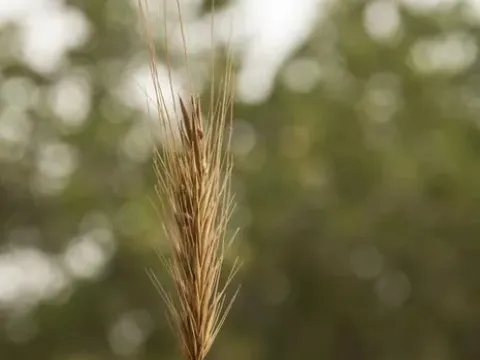
Hybrid barley
Hordeum hybrids
Hybrid barley is sown during the optimal window for the specific region to ensure the crop efficiently utilizes spring moisture. Due to their vigorous early growth, hybrids develop a robust root system faster than conventional varieties, which provides a significant competitive advantage.
What the section contains
Hybrid barley
The seeding rate for hybrid barley is significantly lower than for traditional lines, typically ranging from 180 to 220 viable seeds per square meter. This is possible thanks to the high tillering capacity of hybrids, allowing them to fill the space and create a dense canopy with fewer plants.
The seeding depth is usually maintained at 3–5 centimeters, depending on soil texture and moisture levels. Achieving uniform seed-to-soil contact is critical for establishing even germination, which remains the cornerstone for reaching the crop's maximum genetic potential.
Planting typically begins when soil temperatures reach 5–8 degrees Celsius. Early planting allows hybrid plants to complete the tillering phase before the onset of summer heat waves, thereby reducing potential environmental stress during the most sensitive growth stages.
Modern precision planters are highly recommended to ensure accurate seed distribution across the field. Minimizing overcrowding prevents internal competition for nutrients and light, which ensures that every plant develops fully and contributes to a consistent and high-quality yield.
Belonging to the Poaceae family, hybrid barley is a demanding crop that requires high soil fertility to reveal its full genetic yield potential. It thrives best in well-structured chernozems or loamy soils with a neutral to slightly alkaline pH level.
The crop has a high demand for nitrogen fertilizers, which should be applied in split doses corresponding to specific growth stages. Balanced nutrient supply is essential for supporting rapid biomass accumulation and the formation of large, heavy ears.
Climate requirements include moderate moisture levels during the stem elongation and heading phases. While hybrids show excellent adaptability, they respond best to environments where rainfall is reliable during the main vegetative growth period of the spring season.
Crop rotation is mandatory for hybrid barley to mitigate the risk of soil-borne diseases. It is best to avoid planting barley after other cereals, with legumes, rapeseed, or row crops serving as excellent predecessors for a healthy start.
Micronutrient management, specifically the application of copper, manganese, and zinc, is vital for metabolic processes. A deficiency in these elements can significantly reduce ear fertility and lower the overall thousand-kernel weight, affecting the grain's commercial value.
The primary economic driver for choosing hybrid barley is the heterosis effect, which typically results in a 10–20% yield increase compared to standard varieties. This stability makes hybrid barley a top choice for commercial farms aiming for consistent production performance.
Increased productivity is achieved through higher tiller counts and better grain filling in the ear. Hybrids are capable of maintaining high grain weight even under variable climatic conditions, ensuring a more stable and profitable harvest year after year.
Under intensive management practices, hybrid barley yields can reach 8–10 metric tons per hectare. Such high output establishes this crop as one of the most profitable options within the cereal segment, justifying the investment in premium seed and management.
Large, uniform grain size is a hallmark of hybrid barley, which enhances both marketability and milling quality. High-quality grain is highly sought after in feed and brewing markets, providing growers with better bargaining power and economic returns.
Continuous monitoring of crop progress allows for timely interventions in nutrition and protection strategies. Agronomists note that hybrids demonstrate a higher response rate to management investments compared to open-pollinated varieties, leading to superior ROI.
The most significant threats to hybrid barley include powdery mildew, scald, and various leaf spot diseases. Preventive fungicide applications during the stem elongation and heading phases are crucial to preserve leaf surface area and sustain photosynthetic capacity.
Root rots pose a serious risk, particularly in years with wet spring conditions. Using high-quality seed treatments prior to planting is the most effective way to combat soil-borne pathogens and ensure a healthy seedling establishment.
Pests like cereal aphids, thrips, and the cereal leaf beetle can cause substantial damage if population thresholds are exceeded. Regular field scouting and the strategic use of insecticides are essential for maintaining plant health throughout the season.
Rust species (brown and stem rust) can spread rapidly in warm, humid conditions, severely impacting grain quality. Choosing rust-resistant hybrids and employing timely fungicide programs are necessary steps to protect the crop against these aggressive pathogens.
Implementing a comprehensive integrated pest management (IPM) strategy, including weed control, helps reduce disease pressure. Keeping fields free of weed hosts that act as pathogen reservoirs is a fundamental requirement for successful cereal production.
Harvesting should occur when the grain reaches full maturity, with moisture levels ideally dropping to 14–16%. Delaying the harvest can lead to increased lodging risks and grain shattering, which results in significant direct losses of the crop.
Adjusting combine settings specifically for hybrid barley is necessary to minimize mechanical damage during threshing. Given the high yield potential of hybrids, efficient logistics and rapid harvest turnaround are essential to maximize operational success.
Post-harvest conditioning, including cleaning and drying, is mandatory to ensure safe long-term storage. Removing moisture quickly prevents the growth of mold and ensures that the grain maintains its grade and feed value during the storage period.
For seed production plots, extra care must be taken during the harvest to ensure purity. Specialized cleaning lines are used to remove impurities and prevent cross-contamination, ensuring that the seed meets high certification standards.
A well-coordinated harvest operation concludes the production cycle and safeguards the investment made throughout the season. Efficiency at this stage is the final key to capturing the full economic benefits of growing hybrid barley.