
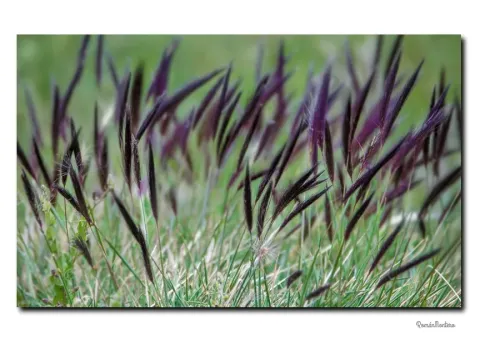
Hordeum pubiflorum
Hordeum pubiflorum
Hordeum pubiflorum is a perennial grass species belonging to the Poaceae family. Native to the high-altitude regions of South America, specifically the Andean mountain ranges, this plant has evolved to thrive in environments characterized by thin air, high solar radiation, and significant temperature fluctuations.
What the section contains
Hordeum pubiflorum
Botanically, the species is defined by its tussock-forming habit, which provides stability on slopes and protects the root system from freezing soil temperatures. The characteristic hairiness of its floral glumes, which gives the species its scientific name, serves as an adaptation to reduce moisture loss and protect delicate reproductive parts.
The plant demonstrates remarkable resilience to poor soil conditions, often colonizing rocky and gravelly terrain where other vegetation struggles to establish. Its ability to tolerate low nutrient availability makes it a significant component of the mountain ecosystem, contributing to soil stabilization and erosion control.
Regarding climatic requirements, Hordeum pubiflorum prefers well-drained habitats and is highly adapted to the short growing seasons typical of high-altitude alpine zones. It exhibits a high degree of cold hardiness, surviving winter dormancy under snow cover, which protects the crown of the plant from extreme desiccation.
Economically, while not a major commercial crop like common barley, it serves as an important source of forage for grazing animals in mountain regions. Furthermore, it represents a valuable genetic resource for crop breeders looking to introduce stress-tolerance traits into commercial barley cultivars through traditional breeding or biotechnological methods.
The species faces threats primarily from overgrazing and climate change, which may shift the delicate alpine balance it relies on. It is also susceptible to common fungal pathogens such as rusts and smuts, which can impact biomass production when humidity levels increase during the growing season.