
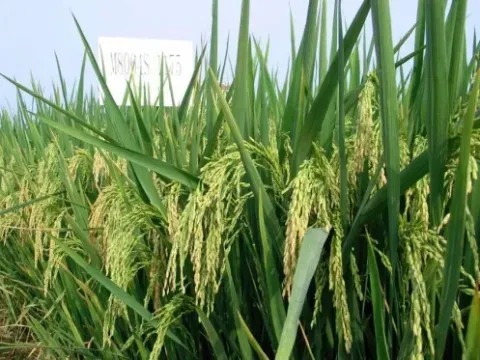
Hybrid rice
Oryza hybrids
Hybrid rice belongs to the Poaceae family and is developed through intervarietal crossbreeding to leverage the heterosis effect, which significantly increases biomass and grain yield compared to conventional inbred varieties.
What the section contains
Hybrid rice
The sowing process is crucial, as the seeds of hybrid rice require precise placement to ensure uniform germination. Seedlings are often grown in nurseries before being transplanted into the main fields to optimize plant density.
Optimal sowing dates are determined by local climatic conditions, specifically the accumulation of thermal units, which ensures the plant enters the reproductive phase under favorable lighting and temperature.
Seedbed preparation is vital; the fields must be perfectly leveled to manage water depth efficiently, which is a fundamental requirement for the healthy development of hybrid rice seedlings.
Farmers must use high-quality F1 hybrid seeds each season, as the genetic benefits of hybrid vigor are lost if seeds are saved and replanted from the previous harvest.
Hybrid rice varieties thrive in tropical and subtropical climates where high temperatures and abundant sunlight are available throughout the long growing season.
Water management is paramount; the fields must be kept flooded to control weeds, regulate soil temperature, and provide the necessary moisture for the rapid growth of the rice plant.
Soil conditions should favor water retention; clay-heavy or loamy soils are preferred as they effectively minimize water loss through percolation and maintain the required chemical balance.
Fertilizer requirements are higher for hybrid varieties compared to traditional rice. A balanced NPK regimen is essential, with split applications of nitrogen to prevent excessive vegetative growth that could lead to lodging.
Maintenance of the correct soil pH, generally between 5.5 and 6.5, is essential to ensure that micronutrients are readily available for absorption by the root system.
The primary economic driver for growing hybrid rice is its superior yield potential, often producing 15 to 30 percent more grain per hectare than high-yielding conventional varieties.
Under intensive management and favorable environmental conditions, hybrid rice can achieve yields exceeding 10 tons per hectare, making it a critical crop for global food security.
Success depends on the interaction between genetic potential and proper management, including the optimization of planting patterns to ensure maximum sunlight capture per leaf area.
High yields are also dependent on the grain-filling period; maintaining optimal water levels and preventing water stress during this stage significantly increases the total grain weight.
Consistent yield results require the use of certified hybrid seeds, which are rigorously tested for germination rate, purity, and resistance to environmental stressors.
Blast disease, caused by the fungus Magnaporthe oryzae, remains the most significant threat to hybrid rice, potentially causing severe damage during warm and humid weather conditions.
Insect pests, including stem borers and brown planthoppers, can cause substantial yield losses by feeding on the sap or tissues of the plant, weakening its overall structure.
Integrated Pest Management (IPM) is the recommended strategy, combining biological control, crop rotation, and the judicious use of pesticides to manage pest populations effectively.
Proactive disease management involves the use of resistant hybrid lines and preventive fungicide treatments during the most vulnerable stages of the crop's development cycle.
- Monitor fields regularly for signs of leaf spots or discoloration.
- Maintain proper field sanitation to reduce the survival of pathogens.
- Optimize plant spacing to improve airflow and reduce humidity around the base of the plant.
Harvesting is performed when the moisture content of the grains reaches approximately 20 to 22 percent, ensuring that the grains are fully mature while minimizing shattering losses.
The use of combine harvesters equipped with specialized threshing mechanisms is essential to prevent grain breakage and maintain the quality of the harvest for milling purposes.
Immediate drying is required post-harvest to lower grain moisture to 13–14 percent, which is the standard level for safe, long-term storage without the risk of mold growth.
Field logistics must be well-coordinated to ensure that the grain is moved rapidly from the field to drying facilities to prevent heat buildup and quality degradation.
Proper cleaning and grading of the harvested grain enhance its market value and ensure compliance with quality standards for the rice industry.