
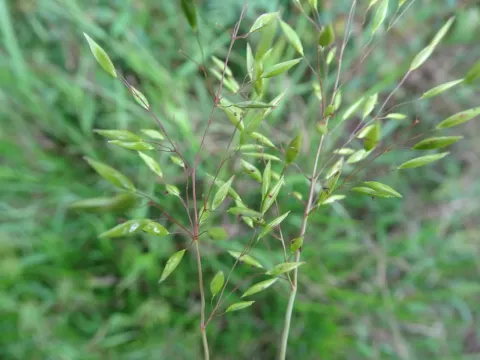
Homolepis
Homolepis
Homolepis is a genus of perennial grasses belonging to the family Poaceae, native primarily to tropical and subtropical regions of the Americas, where it is valued for its hardiness.
What the section contains

Homolepis
The culture thrives in warm, humid climates, requiring consistent moisture levels throughout the growing season to achieve optimal biomass production and development.
Cultivation requires well-drained soils that offer good nutrient retention, as the plant responds positively to moderate fertilization and effective soil structure management.
Morphologically, Homolepis is characterized by panicle inflorescences and robust tillering capacity, which allows it to form dense stands that are resistant to environmental stressors.
When integrated into pasture management, the grass demonstrates an impressive ability to recover rapidly after grazing, provided that rotational grazing patterns are strictly observed.
Homolepis plants are susceptible to common fungal pathogens, including various leaf rusts and spots that can significantly reduce the photosynthetic area during humid weather.
Insect pests, such as leafhoppers and lepidopteran larvae, represent a constant challenge, potentially impacting both the vegetative yield and the overall health of the crop.
Preventative agronomic practices are essential, focusing on adequate field sanitation and the selection of site-adapted varieties to minimize the incidence of disease outbreaks.
Monitoring for signs of nutrient deficiency is also critical, as stressed plants are much more susceptible to secondary infections and pest infestations throughout the year.
Integrated Pest Management (IPM) strategies, combining biological controls and selective chemical applications, are recommended to maintain high levels of crop productivity.