
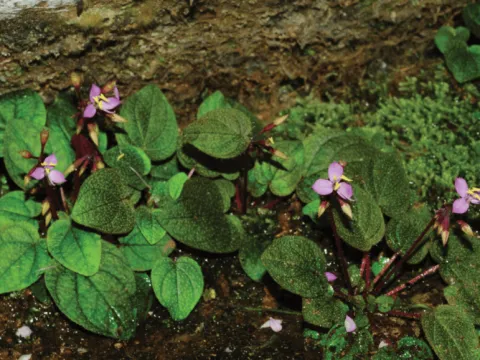
Eremitis
Eremitis
Eremitis is a genus of perennial grasses belonging to the Poaceae family. The establishment of this crop requires attention to soil preparation and timing to ensure optimal germination and early development.
What the section contains

Eremitis
Sowing should take place in early spring when the soil temperature consistently reaches 10–12°C. A seedbed with fine soil structure is essential for uniform emergence, as the seeds are relatively small and sensitive to deep burial.
The seeding depth should be maintained between 1 and 2 centimeters. This shallow placement allows the seedlings to emerge quickly while ensuring they have enough moisture from the surrounding soil particles.
Seeding rates must be adjusted based on the intended use, whether for biomass production, pasture establishment, or conservation purposes. Utilizing precision planters helps in achieving an even distribution of plants per square meter.
Post-sowing rolling is highly recommended in dry conditions to improve soil-to-seed contact. This practice promotes faster uptake of water and increases the overall success rate of field establishment.
Eremitis plants thrive in well-drained soils with good organic matter content. They are generally adaptable but perform best in loamy substrates that maintain a neutral pH level throughout the growing season.
These grasses exhibit a strong preference for high solar radiation. Open fields with direct exposure to sunlight significantly promote vegetative growth and improve the structural integrity of the stems.
Water requirements for this crop are moderate. While the plants can tolerate transient dry spells, consistent moisture supply is necessary during the peak of the growing season to maximize yield potential.
Temperature management is critical for the long-term sustainability of the crop. The plants prefer temperate conditions and possess a degree of cold tolerance, which helps them survive mild winter cycles.
Nutrient management involves applying balanced NPK fertilizers. Nitrogen is particularly important during the vegetative stage to encourage rapid leaf development and increase the total nutritional value of the biomass.
The primary health concerns for Eremitis include fungal diseases such as powdery mildew and various rust species. These conditions are typically exacerbated by high relative humidity and poor ventilation within the canopy.
Pest pressures often involve aphids and stem-boring insects. These organisms can severely impact the vigor of the plant by causing sap loss or physical damage to the vascular tissue of the grass stems.
Integrated Pest Management (IPM) strategies are highly effective for this crop. This includes scouting for early infestation signs and applying biological controls or targeted pesticides only when thresholds are exceeded.
Crop rotation serves as a critical defense against soil-borne pathogens. Changing the crop sequence helps break the life cycles of various pests that may persist in the field debris from previous seasons.
Sanitation practices, such as clearing crop residues and controlling weed hosts on field boundaries, are essential. These actions reduce the environmental niche available for pests and fungi to survive between growing cycles.
Harvesting Eremitis depends on the intended end-use of the biomass. For forage purposes, the harvest should occur before the plants reach the lignification stage to ensure maximum digestibility.
In cases where the crop is harvested for seed production, mowing should be timed with physiological maturity. It is crucial to monitor the grain moisture levels to prevent shattering losses in the field.
Cutting height is an important factor for regrowth capacity. Leaving a sufficient stubble length protects the growing points and ensures that the plant can regenerate quickly for subsequent cuts.
Mechanical harvesting equipment should be calibrated to minimize damage to the root crowns. Ensuring that the cutters are sharp prevents tearing of the grass blades, which helps reduce the risk of secondary infections.
Post-harvest management involves proper drying and storage to maintain quality. Adequate ventilation is necessary if the biomass is baled or stored in bulk to prevent spontaneous heating and microbial spoilage.