
Eragrostis virescens
Eragrostis virescens
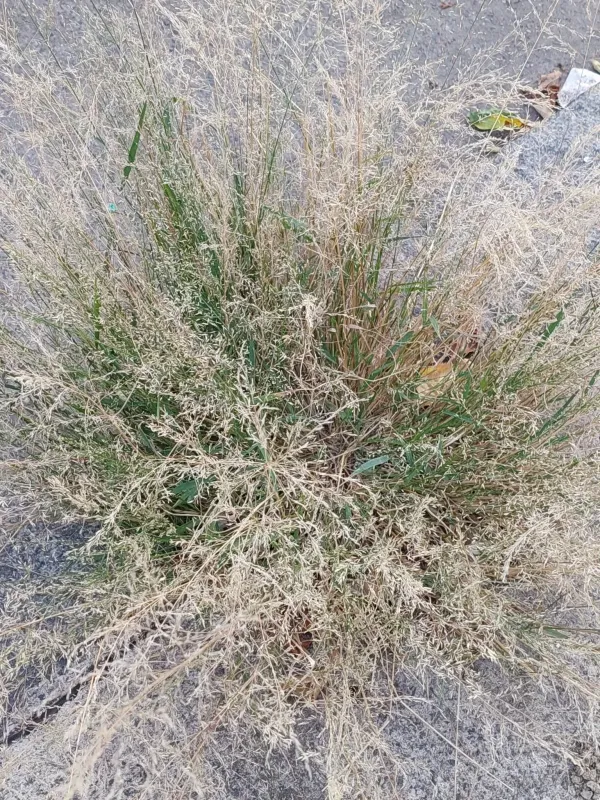
Description
Sowing dates
Eragrostis virescens, commonly known as a type of lovegrass, is an annual grass belonging to the Poaceae family, increasingly recognized for its biomass production capabilities.
The sowing season typically begins in late spring once soil temperatures reach a minimum of 12 to 15 degrees Celsius, ensuring rapid and uniform germination.
Because the seeds are small, they require a well-prepared seedbed with fine soil particles to ensure optimal seed-to-soil contact and moisture retention during the initial growth stage.
A shallow sowing depth of 1 to 2 centimeters is recommended to prevent exhaustion of the seed reserves before the plant emerges above the soil surface.
Standard row sowing is the most common method, with seeding rates calibrated based on germination percentage to establish an even and robust plant population.
Growing requirements
This crop thrives in sunny environments, as shade significantly impairs its photosynthetic activity, biomass development, and overall stand vigor.
It shows a strong preference for well-drained, sandy-loam, or light-textured soils that allow for efficient root system expansion and prevent waterlogging.
One of the key advantages of Eragrostis virescens is its notable drought tolerance, allowing it to produce reliable forage even under limited rainfall conditions.
Soil pH levels should ideally range between 5.5 and 7.0 for optimal nutrient availability, as extreme acidity or alkalinity can inhibit growth and reduce feed quality.
Nitrogen fertilization is essential for high-yield systems, as it directly promotes vigorous stem and leaf growth, increasing the protein content in the harvested biomass.
Yield
Under favorable conditions, this grass can produce multiple cuts per growing season, offering a consistent supply of forage for livestock throughout the year.
Average yield figures for green mass usually range between 15 and 25 metric tons per hectare, depending on soil fertility and moisture management practices.
The nutritional profile of the hay is well-suited for ruminant diets, providing a good balance of fiber and essential nutrients when harvested at the right phenological stage.
Maximizing yield requires strategic cutting schedules, prioritizing the stage just before anthesis to ensure the highest protein-to-fiber ratio in the harvested crop.
The flexibility of this crop allows for its use as fresh green feed, hay, or silage, making it a versatile tool for farmers managing mixed-livestock operations.
Main diseases and pests
Common biological threats include various fungal rusts and leaf spot diseases, which typically emerge in humid conditions with poor field ventilation.
Insect pests, such as aphids and various grass-feeding larvae, can affect foliage quality if populations exceed economic thresholds early in the season.
Integrated pest management, including regular crop monitoring and the use of resistant genotypes, remains the most effective defense strategy for commercial growers.
Effective weed control during the seedling stage is critical, as the crop can be sensitive to competition until it establishes a dense, fast-growing canopy.
Proper harvest timing acts as a preventive measure against disease accumulation, as it removes the biomass before pathogens can reach peak reproductive stages.
Harvesting
Harvesting Eragrostis virescens at the initial heading stage is essential to strike an ideal balance between total biomass volume and digestible nutrient content.
For hay production, the cut material should be field-cured until the moisture content drops to approximately 15-17 percent to prevent microbial spoilage in storage.
Modern haying equipment, including conditioners, helps to accelerate the drying process, reducing the risk of rain damage to the cut grass while it is in the swath.
Leaving a stubble height of at least 6 to 8 centimeters is crucial for protecting the basal buds and promoting rapid regrowth for subsequent cuts.
Secure storage facilities are necessary to maintain the nutritional integrity of the hay, protecting it from moisture, pests, and fire hazards during the winter months.