
Eragrostis obtusa
Eragrostis obtusa
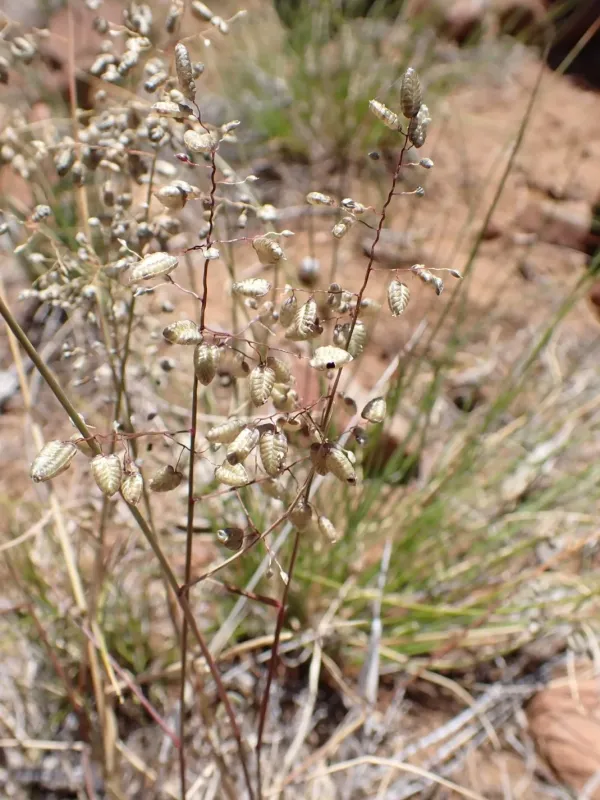
Description
Growing requirements
Eragrostis obtusa, commonly known as a type of lovegrass, belongs to the Poaceae family. This perennial grass is highly regarded for its resilience in arid and semi-arid environments, making it a valuable asset for land reclamation projects.
Botanically, the plant is characterized by its tufted growth habit and stiff, narrow leaves. These features minimize water loss, allowing the plant to thrive under intense heat and prolonged sunshine which would typically kill less hardy species.
Native to Southern Africa, this grass has evolved to cope with low rainfall and nutrient-poor, sandy soils. It is particularly well-suited for regions where soil erosion is a major concern, as its root system effectively binds the soil structure together.
Agricultural requirements focus on well-drained soil types. Eragrostis obtusa does not tolerate waterlogging and performs best when planted in open fields with maximum sun exposure to encourage deep root penetration and healthy development.
Climate adaptability is the primary strength of this culture. It can remain dormant during extreme drought and resume rapid growth immediately after the first rains, providing a reliable source of green forage when other grasses fail.
Harvesting
The primary agricultural use for Eragrostis obtusa is as a reliable forage crop for livestock grazing. Its hardiness allows it to withstand heavy grazing pressure, which is essential for sustainable pasture management in dry climates.
For hay production, harvesting should be performed at the early flowering stage. Cutting during this period ensures the highest nutritional value, as the balance between leaf protein and structural fiber is optimal for ruminant digestion.
Seed harvesting requires specialized equipment due to the tiny size of the seeds. Farmers often utilize direct combining, followed by meticulous drying and cleaning to ensure high seed purity and viability for future plantings.
In addition to livestock use, the grass serves as an effective cover crop. It prevents wind erosion in fallow fields and naturally improves soil texture by adding organic matter through its extensive root system over several growing seasons.
- Excellent drought tolerance.
- High resistance to grazing pressure.
- Effective soil erosion control.
- Low maintenance agricultural requirements.