
Eragrostis nutans
Eragrostis nutans
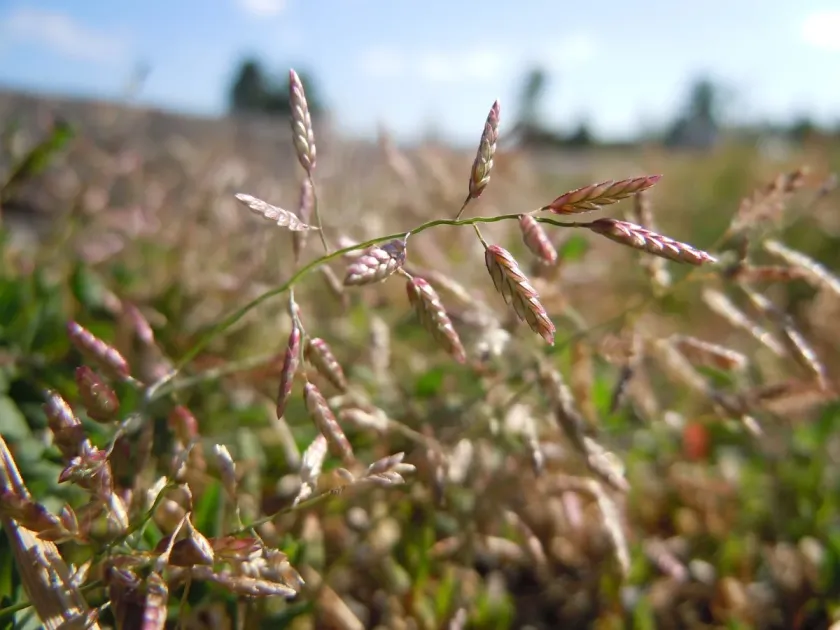
Description
Sowing dates
Eragrostis nutans belongs to the Poaceae family, a group of grasses known for their hardiness and adaptability. It is cultivated primarily in tropical and subtropical regions for forage and soil stabilization purposes.
The optimal sowing time is when soil temperatures consistently reach 15–20 degrees Celsius. In many regions, this corresponds to the early spring season following the last frost period.
Because the seeds are extremely small, they require a very finely prepared seedbed. They should be sown at a shallow depth of approximately 1 to 2 centimeters to ensure successful germination and seedling establishment.
Seed density is a critical factor for establishing a thick, productive stand. Proper calibration of seeding equipment is essential to ensure even distribution and to prevent the encroachment of weed species in the gaps.
Post-seeding, rolling the field is highly recommended to improve seed-to-soil contact, which accelerates moisture absorption and helps ensure a uniform emergence of seedlings across the field.
Growing requirements
This grass species is highly light-demanding and thrives in open areas with full sun exposure. It is sensitive to shading, which can significantly reduce both growth rates and biomass production.
Eragrostis nutans is well-regarded for its drought tolerance. Its deep and extensive root system allows the plant to survive and maintain growth during periods of limited rainfall, making it a reliable choice for arid climates.
The plant is highly adaptable to various soil types, ranging from sandy loams to heavier clays. However, it performs best in well-drained soils and is susceptible to root diseases if left in waterlogged conditions.
Soil pH preference is relatively broad, typically spanning from slightly acidic to neutral levels (5.5 to 7.5). Soil testing before planting is advisable to determine if any amendment with lime or nutrients is necessary.
Nitrogen fertilization is the primary driver of biomass yield. Applying fertilizers during the peak growth phase encourages rapid vegetative development and enhances the protein content of the forage.
Yield
Under optimal conditions and management, Eragrostis nutans can provide substantial yields of high-quality forage. It is capable of regrowing rapidly after cutting, allowing for multiple harvests per growing season.
Average biomass production typically ranges from 15 to 25 metric tons per hectare depending on fertility, water availability, and management practices employed by the producer.
The nutritional profile of the harvested hay is favorable for livestock, particularly cattle and sheep. It offers a good balance of energy and fiber, ensuring efficient digestion and animal health.
Seed production requires careful monitoring, as the seeds are small and prone to shattering at maturity. Harvesting should be performed promptly to avoid significant losses in yield.
This species is also excellent for pasture use, as it shows good resistance to moderate grazing pressure, helping to maintain long-term ground cover without signs of thinning.
Main diseases and pests
Common plant diseases include rust and powdery mildew, which are more prevalent during periods of high humidity and poor airflow. Maintaining appropriate plant density helps mitigate these risks.
Insect pests, such as aphids and wireworms, can damage young plants and roots. Early detection through field scouting is essential to implement targeted control measures and protect the young crop.
Root rot is a significant threat in poorly drained areas. Ensuring proper field leveling and drainage is the most effective preventative measure against soil-borne pathogens affecting this species.
Competition from weeds is a major concern during the early establishment phase. Integrated weed management, including mechanical or chemical options, is necessary to ensure the crop establishes successfully.
Implementing a crop rotation scheme is vital to break the life cycle of specific soil-borne pests and to maintain soil health, preventing the decline in productivity over multiple years.
Harvesting
For high-quality forage, harvesting should occur at the late vegetative or early flowering stage. This timing optimizes the protein content and overall digestibility of the hay.
The drying process is crucial for hay storage. In humid climates, mechanical conditioning of the cut grass may be required to accelerate moisture loss and prevent the growth of mold in bales.
Seed harvesting is usually performed using combines equipped with fine-screen systems. It is important to adjust machine settings carefully to handle the light and small seeds effectively.
Post-harvest management includes stubble clearing or light grazing to stimulate new growth. This practice prepares the stand for subsequent regrowth cycles throughout the season.
Proper storage in a dry, well-ventilated environment is necessary to maintain the quality of the harvested hay or seeds, preventing heat damage and ensuring long-term shelf stability.