
Eragrostis nardoides
Eragrostis nardoides
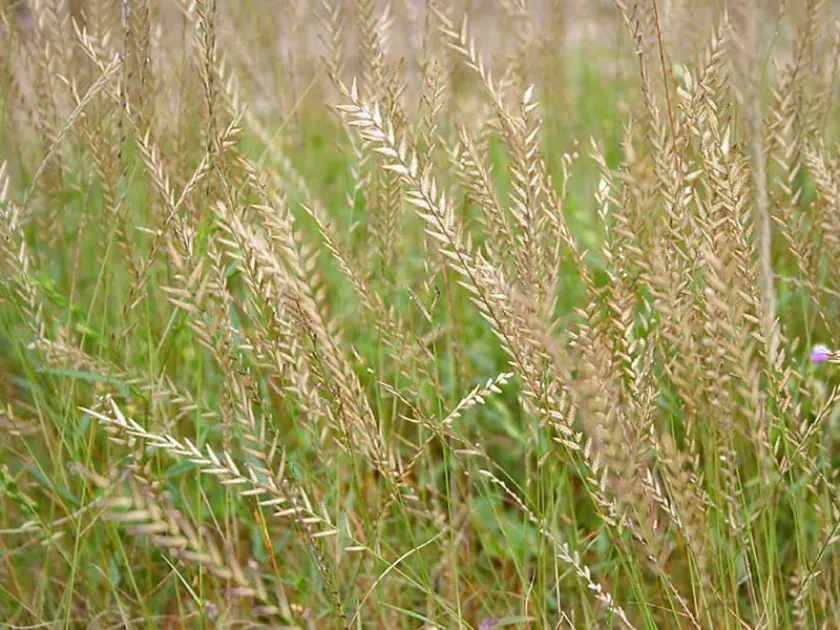
Description
Growing requirements
Eragrostis nardoides is a perennial grass species belonging to the Poaceae family. Native to the tropical and subtropical regions of Africa, this plant has adapted to survive in diverse savanna ecosystems and grassland environments.
The plant is highly resilient to harsh climatic conditions, demonstrating a remarkable ability to withstand prolonged drought. Its biological architecture allows it to maintain metabolic functions even when water availability is significantly restricted.
It thrives best in well-drained, light-textured soils. While it can tolerate nutrient-poor environments, its development is significantly enhanced in soil conditions that provide a balance of essential minerals and proper aeration.
Eragrostis nardoides requires high solar radiation levels to ensure vigorous growth. It performs optimally in warm environments, typically with temperature ranges between 20°C and 30°C, and is sensitive to frost, which limits its geographic distribution.
Agronomic management involves monitoring the density of the grass stand. Its extensive root system contributes to soil stabilization and erosion control, making it an excellent candidate for land reclamation and pasture improvement programs.
Harvesting
The primary economic use of Eragrostis nardoides is in the livestock industry, where it serves as a valuable source of forage. It is highly palatable and nutritionally dense during its vegetative stage, supporting healthy animal production.
In practice, it is primarily utilized as a grazing crop. The plant possesses a robust regenerative capacity, allowing it to withstand repeated grazing pressure throughout the growing season without compromising its overall health.
For hay production, it is recommended to harvest the crop before the onset of flowering. Harvesting at this stage ensures that the plant matter contains maximum levels of digestible proteins and essential vitamins for livestock.
After the harvest, the plant exhibits rapid regrowth, provided that climatic conditions are favorable. This characteristic allows farmers to schedule multiple cuts per season, maximizing total biomass yield per hectare.
Seed collection requires careful timing to avoid potential yield loss due to natural shedding. Collected seeds can be stored and used for future reseeding efforts to maintain the longevity and productivity of forage stands.