
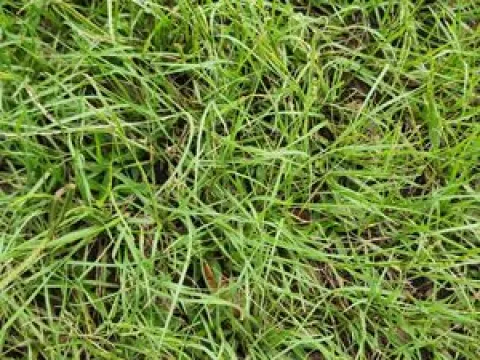
Ethiopian couch grass
Cynodon aethiopicus
Ethiopian couch grass (Cynodon aethiopicus) belongs to the Poaceae family and is a perennial grass species. It propagates primarily through an extensive network of underground rhizomes and creeping above-ground stolons that root at the nodes.
What the section contains
Ethiopian couch grass
The best time for planting is at the beginning of the rainy season or when temperatures consistently remain above 18–22 degrees Celsius. The species is known for its rapid spread, making it efficient for covering large areas quickly.
Seed propagation is rarely successful due to low germination rates, so the standard agronomic practice involves transplanting rhizome fragments. The site should be cleared of competing weeds to allow the grass to establish a dense sward successfully.
Due to its aggressive growth habit, this crop is an excellent choice for erosion control on slopes. However, farmers must exercise caution as it can easily invade adjacent fields if not strictly managed within designated zones.
Strategic field planning is essential because this is a long-term perennial. It is highly recommended for permanent pastures that are intended for continuous use over several years rather than rotational annual crop fields.
Ethiopian couch grass requires full sunlight and does not tolerate shaded environments well. It is highly valued for its exceptional drought tolerance, which is attributed to its deep and robust root system developed under favorable conditions.
It performs best in loamy or sandy soils with a neutral to slightly acidic pH range. While the plant can survive brief periods of waterlogging, it thrives in well-drained soil where oxygen can reach the roots effectively.
Originating from East Africa, this grass is well-adapted to warm climates. Growth slows or stops during colder periods, and it is not considered frost-hardy, meaning production is limited to frost-free regions or seasons.
Nitrogen fertilization is necessary to maintain high biomass production, especially under intensive grazing pressure. The plant is efficient at nutrient uptake from the upper soil horizons due to its dense, shallow root structure.
Management must focus on grazing intensity to prevent the depletion of carbohydrate reserves in the rhizomes. Proper post-grazing recovery periods are critical for the long-term sustainability and vigor of the pasture stand.
Yields of Ethiopian couch grass are highly dependent on soil fertility and moisture availability. In optimal conditions, it provides multiple cuts per growing season, offering a reliable supply of forage for livestock.
The nutritional value is highest when harvested before the onset of the flowering stage. During this pre-flowering phase, the protein and carbohydrate content in the leaves are optimal for cattle nutrition.
Irrigation can significantly increase the total dry matter yield per hectare compared to rain-fed systems. As a pasture crop, it shows excellent regrowth potential immediately following grazing or harvesting.
Total productivity is determined by the management of the sward density. Proper control of grazing height ensures that the pasture maintains a consistent output of forage units over many years of utilization.
The long-term nature of this perennial crop provides economic benefits by reducing the need for annual field preparation and sowing. This stability makes it an efficient choice for sustainable livestock-based farming systems.
Ethiopian couch grass is generally resistant to most common grass diseases. However, in conditions of high humidity and poor ventilation, it may become susceptible to fungal infections such as rust or various leaf spot diseases.
Insect pests, such as various caterpillars and foliage feeders, can cause significant damage to the leaf biomass if infestations go unchecked. Integrated pest management practices are essential to keep populations below economic injury levels.
Maintaining proper sward structure through regular mowing or controlled grazing helps ensure sufficient airflow, reducing the risk of fungal spread. Biological control agents may also be used if chemical interventions are undesirable.
Nematodes can potentially damage the root system, particularly in lighter or sandy soils, leading to stunted plant growth. Starting with healthy rhizome material is the most effective preventative measure against soil-borne issues.
Good agricultural practices, including balanced fertilization and timely field sanitation, strengthen the plant's natural resistance. Regular field monitoring is crucial for the early detection and management of any potential biotic threats.