
Euclasta
Euclasta
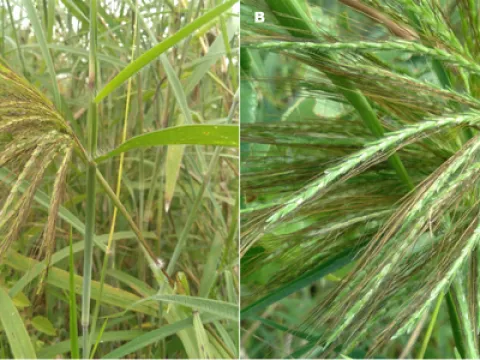
Euclasta is a genus of annual grasses belonging to the Poaceae family. As a specialized grass species, it is primarily adapted to tropical and subtropical regions, where it occupies specific ecological niches in savanna-like environments, contributing to local biodiversity.
What the section contains
Euclasta
From a botanical perspective, Euclasta exhibits the C4 photosynthetic pathway, which is highly efficient for carbon fixation under high temperature and bright light conditions. Its vegetative structure consists of thin stems and leaves that are designed to minimize transpirational water loss while maximizing photosynthetic output.
The crop thrives in well-drained soil types, such as sandy loams or silty soils. It is particularly intolerant to waterlogging, as the root system requires adequate aeration to prevent decay. Optimal growth is observed in areas with moderate soil fertility and balanced mineral content.
Climatic requirements for Euclasta include a consistent warm environment without the risk of frost. It performs best in regions with distinct rainy seasons, as the plant relies on regular moisture availability to complete its life cycle and produce seed heads before the onset of the dry season.
The primary economic use of Euclasta lies in forage production for livestock. It is often managed as part of natural rangelands, where its ability to regenerate after grazing makes it a valuable resource for maintaining animal health in extensive farming systems in tropical climates.