
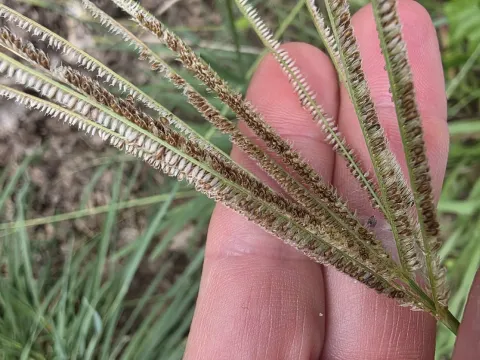
Eustachys
Eustachys
Planting Eustachys is typically scheduled for the spring season once soil temperatures have consistently risen above 15 degrees Celsius. The seeds are small and should be sown at a shallow depth of approximately 1 to 2 centimeters to ensure successful germination.
What the section contains


Eustachys
A finely prepared seedbed is essential for this crop, as it helps maintain uniform soil contact and moisture levels. Producers should ensure that the area is free from competitive weeds before the sowing process begins.
Drilling the seeds in rows spaced about 15 centimeters apart is the recommended approach for commercial cultivation. Using modern seeding equipment allows for precise depth control and uniform plant density across the field.
Following the sowing operation, rolling the soil is highly advised to promote germination and minimize moisture loss from the surface. Proper moisture management during the first few weeks after sowing is crucial for establishment.
In regions with favorable autumn climates, secondary sowing windows may exist, provided that there is sufficient time for the seedlings to establish a deep enough root system before the arrival of hard frost.
Eustachys performs best in well-drained soils, ranging from sandy loams to light clay textures. It is highly valued for its ability to tolerate saline soil conditions where other forage crops might struggle to survive.
This grass species requires full sun exposure to reach its maximum biological potential. Any significant shade will result in elongated, weak stems and a substantial reduction in the overall biomass yield.
The optimal temperature range for active growth is between 22 and 30 degrees Celsius. Eustachys is known for its impressive heat tolerance, making it an excellent choice for arid and semi-arid agricultural zones.
While the plant shows good resilience to drought, providing adequate irrigation during the reproductive phase significantly boosts its productivity. Water management remains the most effective tool for increasing forage output.
Good soil drainage is non-negotiable for the long-term health of Eustachys stands. The species is highly sensitive to waterlogging, which can rapidly lead to root rot and loss of plant vigor within a short time frame.
Fungal pathogens such as rust are the primary biological threats to Eustachys, particularly during seasons with high atmospheric humidity. Maintaining proper field hygiene is the first line of defense against these infections.
Pests like aphids and certain species of grass bugs can cause damage by feeding on plant sap. Early detection through regular scouting is vital to decide whether control measures or intervention are necessary.
Soil-borne insects and cereal flies might target seedlings during the initial establishment phase. Implementing integrated pest management strategies helps reduce the reliance on harsh chemical inputs during this sensitive period.
Managing the weed population is crucial not just for nutrient competition, but because many weeds act as alternate hosts for viral diseases. A clean field effectively minimizes the risk of pathogen spread.
Crop rotation should be incorporated into the farming schedule to disrupt the life cycles of common pests. Alternating Eustachys with non-grass crops helps improve the overall health and productivity of the soil.
Harvesting Eustachys for forage should ideally occur at the onset of the heading stage. This specific timing ensures an optimal balance between total biomass yield and the nutritional quality of the plant tissue.
Using sickle-bar mowers or disc mowers is standard practice for effective cutting. Maintaining a cutting height of at least 5 to 7 centimeters is necessary to ensure that the plant crown remains undamaged and can regrow.
For operations aiming for multiple cuts per season, nitrogen fertilization after each harvest cycle is recommended to support rapid regrowth. Moisture availability remains the limiting factor for multiple cuttings.
When intended for hay, the harvested material should be spread thinly to facilitate rapid drying. The moisture content must be reduced below 18 percent to prevent spoilage and maintain high feed quality for livestock.
Rotational grazing is the preferred method when Eustachys is utilized directly by livestock. This practice prevents overgrazing and allows the grass sufficient time to recover its energy reserves in the root system.