
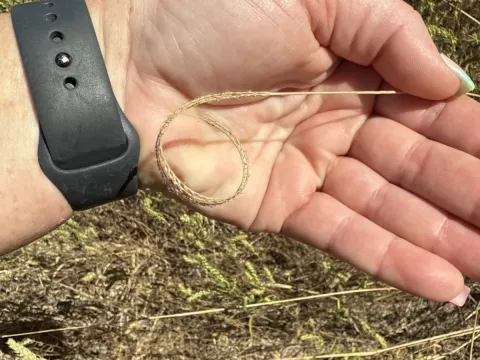
Chloris canterai
Chloris canterai
Sowing of Chloris canterai is typically conducted during the spring or early summer to ensure the soil has reached the warmth necessary for optimal germination. Seeds require stable temperatures, ideally above 20°C, for rapid establishment.
What the section contains
Chloris canterai
Preparation of the seedbed is a crucial phase, requiring fine-textured soil and effective weed control prior to planting. The seeds are small and sensitive, necessitating a shallow burial depth of approximately 1 to 2 centimeters.
Row planting is the preferred method, as it facilitates better management of the crop during the early growth stages, including inter-row cultivation or mechanical weeding to reduce competition.
In regions with distinct rainy seasons, it is advisable to align the sowing period with the onset of moisture to provide seedlings with the necessary water supply for deep root establishment before any potential dry spell.
Seed treatment, such as priming or soaking, can be employed to enhance germination energy, ensuring a more uniform and dense stand of plants across the field.
Chloris canterai is a perennial grass species belonging to the Poaceae family, recognized for its excellent adaptability to tropical and subtropical environments. It possesses inherent tolerance to drought, making it an essential crop in arid and semi-arid regions.
While the plant can survive in a variety of soil conditions, it flourishes in well-drained soils with moderate fertility. Its ability to extract nutrients efficiently from the soil profile makes it a low-input, high-output forage option.
Light availability is paramount for the health and development of Chloris canterai. As a highly photophilic plant, it does not tolerate shade well; excessive shading leads to stem elongation, reduced biomass density, and overall lower quality.
This grass is highly resilient to high temperatures, maintaining vigorous growth rates during the peak of summer when other forage species might enter a state of dormancy. Its climate plasticity is one of its primary agronomic advantages.
The extensive root system of the plant serves multiple ecological purposes, including soil stabilization and erosion control, which is particularly beneficial in sandy or slope-prone agricultural lands.
The biomass yield of Chloris canterai is highly dependent on nitrogen management and consistent moisture levels. Under optimal conditions, the crop is capable of producing multiple harvests within a single growing season.
To maintain high productivity, strategic fertilization, particularly after each mowing cycle, is recommended. Nitrogen top-dressing stimulates rapid regrowth of the vegetation, helping to maintain a lush and nutritious forage supply.
The plant serves as a versatile resource, used either for direct livestock grazing or for the production of high-quality hay or haylage. Its rapid regeneration after being cut or grazed ensures a steady output throughout the agricultural season.
Seed yield, if production is intended, requires careful monitoring of the weather during the ripening phase. The risk of seed shattering necessitates timely harvesting to prevent significant losses during the cleaning and collection process.
Crop density and total yield typically increase as the pasture matures. With proper rotation and rest periods, a well-managed stand can remain productive for several years, providing long-term economic value to the farm.
Chloris canterai is generally resistant to many common agricultural diseases, although high humidity levels in dense stands can occasionally facilitate the development of leaf spot or fungal rust diseases.
Insect pests, specifically aphids and leafhoppers, may pose a risk to the crop by feeding on the vegetative parts and potentially transmitting viral pathogens. Regular field scouting is necessary to identify infestations early.
Weed management is most critical during the first year of establishment. Because the grass develops slowly in its initial phase, it can be easily outcompeted by invasive weeds unless appropriate measures are taken.
Soil-borne pests, such as wireworms or grubs, may damage roots and affect stand uniformity. Preventive soil management and crop rotation practices are highly effective in minimizing the pressure from these organisms.
Maintaining proper planting density and ensuring good air circulation within the stand are effective cultural practices that significantly reduce the likelihood of disease outbreaks and pest proliferation.
The optimal harvest time for biomass is at the early flowering or heading stage. This period provides the ideal balance between biomass quantity and nutritional quality, specifically regarding protein content and digestibility.
For hay production, the cut material should be raked and dried rapidly. The use of modern mowers and tedders is recommended to ensure even moisture loss, which prevents spoilage and maintains the nutritional integrity of the forage.
When harvesting for seeds, the process must be precise to avoid losses. Harvesting usually takes place when the seed heads show clear signs of maturity, employing either direct combining or windrowing depending on regional practices.
Grazing management involves periodic rotation to prevent overgrazing, which would weaken the root system. Allowing the plants to recover after grazing ensures that the forage remains persistent and reliable for subsequent seasons.
A final cleanup mow at the end of the season helps prepare the stand for the dormant period, protecting the crown of the plants and ensuring a strong start when the next growing cycle begins.