
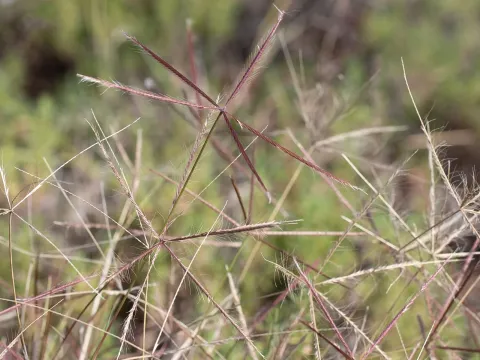
Chloris pectinata
Chloris pectinata
Chloris pectinata is a heat-loving grass species, which means that sowing times are strictly tied to the soil temperature. The optimal time for planting is when the soil temperature consistently reaches 18–20 degrees Celsius.
What the section contains
Chloris pectinata
In regions with distinct seasons, sowing is typically done in late spring or early summer to ensure that seedlings have enough warmth for rapid establishment. In arid regions, sowing is often timed to coincide with the onset of the rainy season to maximize moisture utilization.
The sowing depth must be kept shallow because the seeds are small and lack the energy reserves to emerge from deep within the soil. A recommended depth is between 0.5 and 1.5 centimeters, depending on the soil structure and texture.
To establish a productive pasture, seeds should be sown in rows spaced 15–20 centimeters apart. Proper soil-to-seed contact, achieved through light rolling after sowing, is essential to prevent the surface soil from drying out before germination is complete.
When used for pasture, a wide-row method is often employed. This technique allows individual plants to develop stronger root systems and provides better access to nutrients, which is crucial for long-term stand persistence.
As a member of the Poaceae family, Chloris pectinata is known for its remarkable ecological plasticity in hot climates. It is highly adapted to intense solar radiation and can tolerate significant diurnal and seasonal temperature fluctuations.
The crop has moderate soil fertility requirements, successfully growing on sandy, loamy, and even saline substrates where other forage grasses might struggle. However, performance is significantly improved in humus-rich soils.
A primary characteristic of this species is its extreme drought tolerance, making it an invaluable asset for arid zones. The root system is capable of extracting moisture from deep soil horizons, maintaining growth even during prolonged dry spells.
Chloris pectinata is sensitive to soil acidity and prefers neutral to slightly alkaline pH levels. Waterlogging and poor drainage are detrimental to the crop, as they often lead to root rot and metabolic inhibition.
During the growth phase, the grass responds positively to nitrogen fertilization, which stimulates tillering and recovery after grazing or mowing. A balanced nutrient program including phosphorus is also recommended to support root development.
The yield of Chloris pectinata depends directly on irrigation intensity and the level of mineral nutrient management. Under irrigated conditions, the crop can produce multiple harvests within a single growing season.
With proper agronomic practices, the output of dry matter is substantial, making it a viable option for hay production in arid environments. Forage quality is determined primarily by the growth stage at the time of harvesting.
Peak nutritional value in terms of protein and digestibility is observed during the boot and early heading stages. Delayed harvesting results in stem lignification and a decrease in the overall nutritive value for livestock.
When used as pasture, the grass supports consistent weight gains in livestock. It tolerates grazing well, provided that a rotational grazing system is used to allow the grass stand sufficient recovery time between grazing events.
- Optimal cutting height: 7–10 cm.
- Mowing frequency: Every 30–45 days during the peak growing season.
- Average productivity: 3–6 tons of dry hay per hectare under favorable conditions.
Chloris pectinata possesses innate resistance to many common cereal diseases, owing to its physiological traits. However, in high humidity environments, fungal pathogens such as powdery mildew may occasionally appear.
Pests that target grasses, including grass bugs, leafhoppers, and cereal flies, can damage the crop. To manage these populations, crop rotation and timely insecticide applications during peak insect activity are recommended.
Root rot is the most serious threat, particularly if agronomic practices are flawed, such as poor soil drainage. Prevention focuses on improving soil aeration and avoiding water stagnation in the root zone.
Weeds pose a significant threat during the seedling stage. Since the crop grows slowly in its first few weeks, weed control during the establishment phase is critical for ensuring a dense and healthy pasture stand.
Crop protection relies on an integrated approach: selecting appropriate preceding crops, ensuring proper irrigation management, and using balanced fertilizers to enhance the plant’s natural immunity against diseases and pests.