
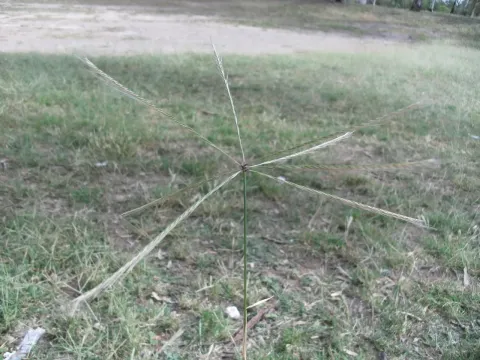
Chloris halophila
Chloris halophila
Sowing of Chloris halophila is typically carried out in the spring when soil temperatures reach 15–18°C. Establishing the stand requires a clean seedbed free from competing weed species to ensure successful early development.
What the section contains
Chloris halophila
The seeds are relatively small, requiring shallow placement, ideally at a depth of 1–2 cm. Proper soil contact is essential, so light rolling after seeding is often recommended to improve moisture retention.
Seeding rates should be determined based on the intended use, whether for intensive grazing, hay production, or soil conservation. Higher densities are preferred for pasture establishment.
Adequate soil moisture is critical during the first few weeks post-germination. If conditions are dry, supplementary irrigation may be necessary to support the young seedlings.
Once established, the seedlings exhibit steady growth. It is important to avoid grazing too early to allow the root system to fully penetrate the soil profile and ensure long-term persistence.
Chloris halophila is a perennial grass belonging to the Poaceae family. It is specifically adapted to environments with high soil salinity, utilizing physiological mechanisms to exclude or compartmentalize salt ions.
The plant thrives in full sunlight and requires exposure to high solar radiation for optimal biomass production. It is highly sensitive to shading, which can significantly reduce its tillering capacity.
It prefers well-drained soils, though it can tolerate a wide range of soil textures from sandy loams to heavier clays. Its ability to grow in saline-alkaline conditions is its primary agronomic advantage.
Temperature requirements are moderate to warm, making it highly suitable for semi-arid and tropical regions. It displays strong resilience against high surface temperatures during the peak summer months.
Soil fertility requirements are generally low, as the plant is adapted to marginal soils. However, moderate levels of nitrogen can boost biomass yield in areas where the soil is severely depleted.
The primary use of Chloris halophila is as a forage crop. It produces a substantial amount of leaf material that is nutritious for livestock, particularly when managed for rotational grazing.
Yield stability is a key trait of this species. In saline regions where traditional forage crops often fail, it provides consistent green matter, helping to secure animal feed supplies.
Its role in land reclamation is equally important. By creating a permanent cover, it reduces surface salt crusting and stabilizes the soil, effectively improving the overall land quality over time.
Biomass quality remains high during the vegetative phase. Livestock readily consume the forage, and it serves as an excellent component in mixed-species pastures for saline rangelands.
In well-managed systems, the plant produces high-quality hay if harvested at the correct stage of maturity, offering a sustainable option for farmers in salt-affected territories.
Chloris halophila is remarkably resistant to common fungal and bacterial diseases that affect more sensitive cereal crops. Its tough foliage is a natural defense against many common leaf-spotting pathogens.
Insect pests such as grasshoppers or aphids may occasionally infest the plants, but these rarely reach levels that cause economic damage, thanks to the plant's robust regenerative capacity.
Weed competition remains the most significant threat during the establishment phase. Effective integrated weed management is necessary to prevent invasive species from overwhelming the young grass.
Waterlogging is a major physiological threat. Despite its salt tolerance, the root system is sensitive to low oxygen levels; prolonged flooding can lead to rapid decline and stand loss.
Overgrazing poses a threat to the long-term sustainability of the pasture. Continuous grazing without rest periods can deplete root reserves, leading to thinning of the stand and increased weed encroachment.
For hay production, the crop should be harvested before the full flowering stage to maximize crude protein content and digestibility. Harvesting at the peak of vegetative growth ensures the highest quality feed.
Rotational grazing systems are highly recommended to maximize the longevity and productivity of the pasture. Allowing a rest period between grazing cycles is essential for plant recovery.
When cutting for hay, a stubble height of at least 5–7 cm should be maintained to protect the basal buds and facilitate quick regrowth during the growing season.
Seed harvesting should be planned when the panicles have turned brown and reached full maturity. Careful management of harvest timing is necessary to minimize losses from natural seed shattering.
Post-harvest management often includes cleaning the field and potentially applying low-rate fertilization to stimulate subsequent vegetative flushes and maintain the health of the perennial stand.