
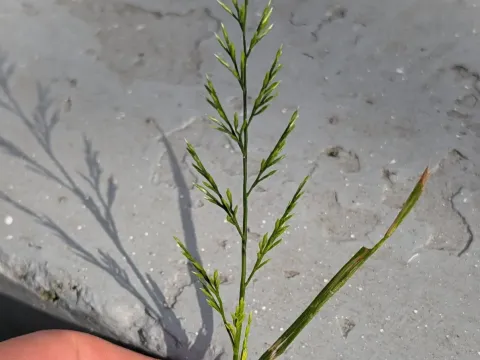
Catapodium
Catapodium
Catapodium is a genus of annual grasses belonging to the Poaceae family. While it is rarely grown as a primary agricultural crop, it is often utilized in ecological restoration, soil stabilization projects, and land reclamation efforts where its hardiness provides significant value.
What the section contains


Catapodium
The optimal time for sowing is during early spring or autumn. Autumn sowing is particularly beneficial in Mediterranean-type climates, allowing seeds to germinate with the onset of seasonal rains and develop a deep root system before the dry summer heat.
Due to the small size of the seeds, they should be sown shallowly, ideally at a depth of no more than 1–2 centimeters. Proper soil-to-seed contact is essential to ensure a high germination rate and uniform establishment across the plot.
Seeding rates typically depend on the specific project goals but generally range from 5 to 10 kilograms per hectare. Mechanical drilling with precision equipment is recommended for larger areas to ensure consistent spacing and depth.
Once planted, rolling the soil surface is an effective practice to improve moisture retention and prevent seed displacement by wind or light erosion. Under favorable conditions, germination typically occurs within two weeks.
Catapodium is highly adaptable to various environments, but it thrives best in open, sunny locations. It is notably tolerant of poor soil conditions, including sandy, gravelly, or rocky substrates where more demanding forage crops would struggle to survive.
One of the key characteristics of this genus is its salinity tolerance. This makes it an ideal candidate for revegetation in coastal areas or salt-affected regions where soil quality is insufficient for traditional agricultural production.
Regarding climate, Catapodium is a drought-tolerant grass. It is specifically adapted to regions with seasonal moisture deficits, utilizing its physiology to survive high temperatures and limited rainfall throughout the summer months.
It prefers well-drained soils and cannot tolerate waterlogged conditions. Poor drainage can lead to root rot and other physiological stressors, so site selection should prioritize areas with naturally high permeability.
The plant demonstrates good ecological competitiveness in nutrient-poor soils, successfully colonizing spaces where it does not face significant competition from faster-growing, more resource-intensive grass species.
Like many wild grasses, Catapodium is susceptible to fungal infections, particularly during periods of high humidity. Powdery mildew and various rust diseases can reduce the photosynthetic efficiency of the leaves if conditions are stagnant.
Pests such as cereal flies and certain beetles can occasionally affect the growth cycle, especially during the vegetative stage. However, these infestations rarely reach levels that threaten the entire population in natural environments.
Viral infections transmitted by sap-sucking insects can pose a risk to the long-term health of a stand. Monitoring for symptoms of discoloration or stunted growth is recommended if the species is being cultivated for conservation purposes.
Effective management includes maintaining appropriate plant density to ensure sufficient airflow. Avoiding overly dense stands is a simple but effective cultural practice to minimize the spread of fungal pathogens and pests.
Integrated pest management strategies focusing on the removal of crop debris after the growing season help reduce the potential for disease carryover and insect overwintering within the field.