
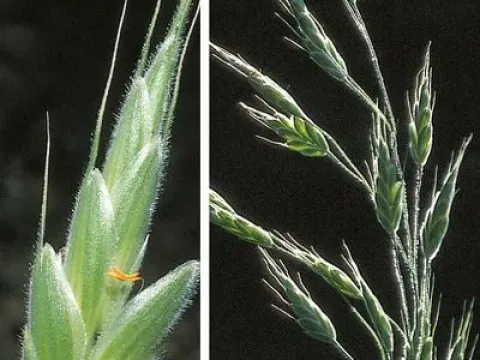
Bromus grossus
Bromus grossus
Bromus grossus, commonly known as large brome, is a member of the Poaceae family. This species is historically recognized as an annual or biennial grass that frequently occurs within cereal production systems, particularly in regions where traditional soil cultivation methods are applied.
What the section contains
Bromus grossus
Regarding soil requirements, the plant thrives in medium-textured, fertile soils with adequate moisture retention. It is adapted to temperate climates, showing significant resilience to cold spells during the vegetative stage. It prefers neutral to slightly alkaline soil conditions for optimal nutrient uptake.
Botanically, it features an erect growth habit with distinct panicle inflorescences. The seeds are characterized by their size and weight, which often allows them to contaminate grain harvests. Understanding its phenology is crucial for effective field management and preventing its spread throughout agricultural lands.
Cultivation management primarily involves integrated weed control strategies. To minimize the presence of Bromus grossus, farmers should focus on mechanical weeding, crop rotation strategies, and the use of competitive crop varieties that can suppress weed development during the early growth stages.
The agricultural value of the species is generally considered secondary to its status as a competitor to main cereal crops. However, it can contribute to the biodiversity of pasture land and forage systems when managed in non-intensive environments where grazing pressure regulates its reproductive cycles.
This grass species is susceptible to common cereal pathogens, including rust (Puccinia spp.) and powdery mildew. These diseases can limit the biomass production and seed viability if environmental conditions favor fungal pathogen spread during the spring months.
Typical pests include cereal aphids and various types of grain beetles. These pests feed on the sap and reproductive structures, causing indirect damage that makes the plant less competitive and alters the development of the seed head, potentially leading to lower overall crop yields.