
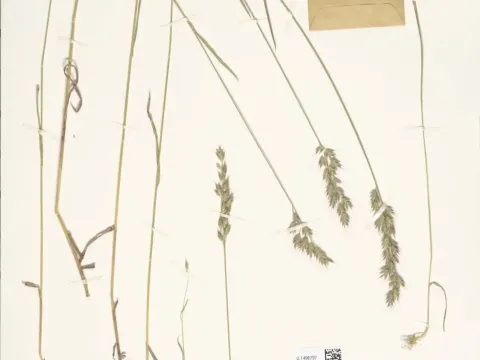
Bromus pseudosecalinus
Bromus pseudosecalinus
Bromus pseudosecalinus belongs to the Poaceae family and is an annual grass species that requires precise timing for successful establishment in agricultural systems.
What the section contains
Bromus pseudosecalinus
Sowing is typically performed in early spring once soil temperatures have reached adequate levels to stimulate seed germination and rapid seedling development.
The optimal seeding depth generally ranges from 1 to 3 centimeters, which ensures sufficient moisture availability for the emerging roots.
Proper seedbed preparation, including fine-tilth soil and firming the surface after sowing, is critical for achieving a uniform and high-density stand.
Seeding rates should be adjusted based on soil fertility and target use, ensuring that plants have enough space for optimal tillering during the vegetative phase.
This species thrives in temperate climates and is known for its ability to adapt to a variety of soil types, provided they are well-drained.
While Bromus pseudosecalinus can tolerate periods of moderate drought, consistent soil moisture during the spring months is essential for maximum biomass production.
The plant requires full sun exposure and performs best in fertile soils with a neutral or slightly acidic pH level, which promotes healthy plant growth.
Adequate nutrient availability, particularly nitrogen and phosphorus, significantly influences the vigor of the plant and its overall development.
Good soil management practices are necessary to maintain aeration and prevent compaction, which can otherwise limit root penetration and water uptake.
The potential yield of this crop is influenced by both genetic factors and the quality of the management practices applied throughout the growing season.
High yields of green forage are achievable with balanced fertilization programs that support rapid vegetative regrowth and biomass accumulation.
Careful monitoring of the crop canopy allows farmers to optimize harvest timing, ensuring the best balance between quantity and nutritional quality.
Productivity levels are also highly dependent on the control of competing weed species, which can drastically reduce the available water and nutrients.
Strategic management of grazing or cutting cycles can further enhance the total yield over the course of the season in multi-cut systems.
Fungal diseases, including rusts and powdery mildew, represent common threats that can compromise the health and nutritive value of the crop stands.
Implementing a strict crop rotation schedule helps to break disease cycles and prevents the accumulation of soil-borne pathogens in the field.
Insect pests, such as aphids and various cereal flies, can cause significant damage by feeding on stems and leaves during the active growth stages.
Regular field scouting is recommended to detect early signs of infestation, allowing for timely and targeted interventions if necessary.
Maintaining high plant vigor through proper fertilization and irrigation reduces the susceptibility of the crop to secondary infections and pest attacks.
Harvesting for forage should ideally occur at the booting stage, which provides the best balance of protein content and total dry matter yield.
If producing hay, the crop should be mowed and dried efficiently to preserve its nutritional value and prevent mold growth during storage.
Seed harvest requires careful timing to ensure physiological maturity while preventing excessive shatter losses, which can occur as the grain dries.
Using appropriate harvesting equipment with correctly calibrated settings minimizes mechanical damage to the seeds and ensures high-quality grain recovery.
Post-harvest cleaning and storage in a cool, dry environment are essential steps to maintain seed viability and prevent spoilage for future planting seasons.