
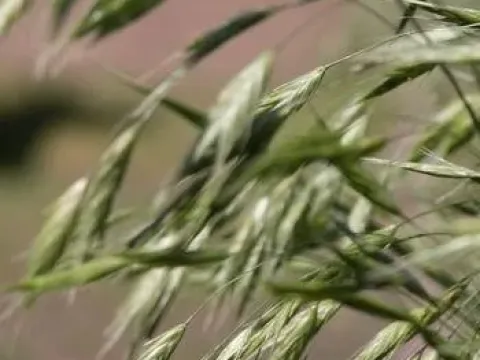
Bromus bromoideus
Bromus bromoideus
Bromus bromoideus is a perennial grass belonging to the Poaceae family, valued for its role in developing high-quality meadows and pastures. Sowing is best performed in early spring or late autumn when soil moisture levels are conducive to seed germination and rapid establishment.
What the section contains
Bromus bromoideus
A well-prepared, fine-textured seedbed is essential for this species due to its small seed size. Sowing depth should be kept shallow, typically between 1 and 2 centimeters, ensuring that seeds are covered sufficiently to maintain moisture contact while allowing for emergence.
The recommended seeding rate varies depending on the intended use of the grassland and the presence of other species in a mix. Generally, planting in rows using specialized grain drills ensures an even distribution of seeds across the field, minimizing gaps in the stand.
After seeding, rolling the field is a standard practice that improves soil-to-seed contact. This step is crucial for accelerating germination and preventing the surface layer from drying out, which is a common cause of poor establishment in grasses.
During the seedling stage, the crop is relatively slow-growing, so it is important to monitor the field for weed competition. Ensuring the crop is not shaded by invasive weeds allows the young plants to develop a strong root system before the onset of summer heat.
This grass thrives in fertile, well-drained loamy soils but displays a remarkable adaptability to various soil types. It performs best in temperate climates and requires consistent, though moderate, moisture availability throughout the growing season.
The optimal pH range for growth is neutral to slightly acidic. On overly acidic soils, the plant exhibits stunted growth, making periodic liming an essential part of the soil management strategy for agricultural fields.
While the plant has an extensive root system that helps it survive short-term dry spells, it is not considered highly drought-tolerant. Irrigation may be necessary in semi-arid regions to maintain high biomass production and avoid thinning of the stand.
Sunlight is a critical factor for development; Bromus bromoideus is heliophilous and requires full exposure to maximize photosynthetic activity. Dense stands that receive proper light conditions produce significantly higher yields of vegetative matter.
Nutrient management is vital, with nitrogen, phosphorus, and potassium applications being the pillars of productivity. Balanced fertilization ensures that the grass can recover quickly after grazing or harvesting, extending the productive life of the sward.
Yield potential is largely driven by the management intensity and the fertility of the site. When managed properly, the crop can provide multiple harvests per season, with peak productivity occurring between the second and fourth years of establishment.
The biomass accumulation is highest during the late spring as the plant transitions to the reproductive phase. This timing provides the optimal balance between the volume of material and its chemical composition for high-quality fodder.
Annual yields of dry matter can range significantly based on rainfall and fertilization; however, intensive farming can produce 4 to 6 tons per hectare. Monitoring the growth stages ensures that the harvest occurs before the stems become too lignified.
To keep yields consistent over many years, farmers often use mechanical interventions such as shallow disking or harrowing early in the season. These actions stimulate root activity and help invigorate the grass, preventing the decline associated with aging stands.
The forage quality is excellent, with high protein content if harvested at the correct maturity stage. This makes it a preferred choice for producers aiming to maximize livestock nutritional intake from forage sources.
Bromus bromoideus is susceptible to common grass pathogens, particularly rust and powdery mildew. These diseases often emerge under conditions of high humidity and poor air circulation within the stand, necessitating regular monitoring.
Pests such as cereal flies and stem-boring insects can cause damage during the establishment phase. Integrated pest management, focusing on early detection and maintaining crop vigor, is usually sufficient to mitigate severe economic losses.
Root rots are potential threats if the crop is kept in a monoculture for too long or if the soil becomes compacted. Rotating with other crops or overseeding with legumes can disrupt the life cycle of soil-borne pathogens and improve overall soil health.
Weed control is essential, particularly in the initial year. Since the grass is slow to establish, it can be easily outcompeted by aggressive weeds, which may lead to a permanent reduction in the density of the desired forage species.
Proactive management of the field, including proper stocking rates for grazing or optimal timing for mowing, helps maintain a healthy plant density, which naturally suppresses many common weeds and reduces the need for herbicides.
The optimal harvest time for hay is at the late boot to early flowering stage. This phase provides the best ratio of vegetative mass to digestibility, ensuring that the harvested material retains high nutritional value for livestock.
Modern harvesting techniques, such as the use of mower-conditioners, are highly recommended. These machines crack the stems, which speeds up the drying process and helps preserve the leaves—the part of the plant richest in essential nutrients.
If harvested for silage, cutting should occur slightly earlier to maximize the concentration of soluble sugars. This promotes better fermentation in the silo, resulting in a more palatable and stable feed product for winter use.
Post-harvest management is crucial for subsequent regrowth. Applying a quick-acting fertilizer after the first cut supports rapid recovery of the stand, ensuring that the plant stores enough energy to survive the winter months.
Proper storage is the final step in securing harvest quality. Bales or silage stacks must be protected from moisture and pests to prevent molding, which can drastically reduce the nutritional value and safety of the stored fodder.