
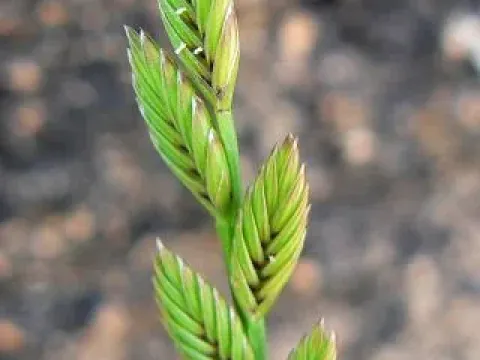
Castellia
Castellia
Castellia is a genus of annual herbaceous plants belonging to the grass family (Poaceae). The most recognized species, Castellia tuberculata, is well-known for its adaptation to harsh, arid, and semi-arid environments where water availability is minimal.
What the section contains

Castellia
The plant originates from Mediterranean and North African regions. It is characterized by its ability to thrive in sandy and rocky soils, often colonizing areas where more demanding agricultural crops cannot survive. It is a true ephemeral, completing its lifecycle rapidly.
Cultivation requirements involve well-drained, porous soils. Castellia is highly resilient to high temperatures and intense sunlight, which are typical for its native habitat. It requires minimal inputs to establish, as it is evolutionary adapted to low-fertility substrates.
Botanically, it possesses thin culms and narrow leaves, optimizing its surface area to reduce transpiration. The root system is shallow but efficient, allowing the plant to capitalize on sparse precipitation during the spring season.
In terms of agricultural utility, Castellia serves primarily as grazing forage for small ruminants in arid zones. It provides essential early-season biomass when other forage options are dormant or unavailable, supporting pastoralist livestock production.
Like many wild grasses, Castellia can be susceptible to fungal pathogens such as rusts and mildews, especially if an unusually wet season coincides with the growth phase. These pathogens can affect leaf development.
Insect pests include aphids and various grass-feeding larvae. While these insects are present, natural predation usually keeps their populations below the threshold that would require active management or synthetic intervention.
The most significant threat to the plant population is overgrazing. Since it is an annual species, the presence of seed heads is critical. If grazing pressure is too intense, the soil seed bank becomes depleted, leading to population decline.
Competition from more aggressive, invasive weeds in areas with slightly better soil moisture can displace Castellia. Maintaining correct stocking densities on pasture land is crucial for ensuring the grass remains a viable part of the ecosystem.
Climate change and shifting rainfall patterns pose a long-term risk. Even though the plant is drought-tolerant, extreme variations in seasonal timing can disrupt its delicate life cycle, affecting biomass yield.