
Jamaican pepper
Piper jamaicense
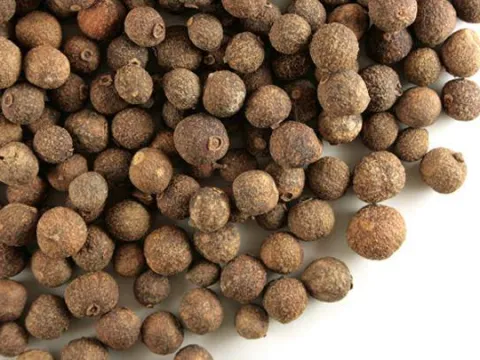
Jamaican pepper (Piper jamaicense) is a member of the Piperaceae family, native to the Caribbean region. This evergreen plant is highly valued for its unique aromatic qualities and is typical of tropical flora.
What the section contains
Jamaican pepper
The plant thrives in a tropical climate where temperatures remain consistent, ideally between 22 and 28 degrees Celsius. It is highly sensitive to cold weather and frost, which can cause irreparable damage to its tissues.
Soil requirements include high organic matter content, excellent drainage, and a slightly acidic to neutral pH. A well-aerated medium is essential to prevent root asphyxiation and promote vigorous development.
Light levels should be carefully managed; Piper jamaicense prefers filtered sunlight or partial shade. Direct, harsh light often results in scorched leaves and reduced photosynthesis efficiency.
Cultural practices include consistent high humidity, often above 70%, and moderate irrigation. Regular fertilization with balanced nutrients during the growing season helps support the production of healthy foliage.
Root rot caused by fungal pathogens is the most prevalent threat to the crop. It is usually triggered by waterlogged conditions and inadequate drainage in the container or planting site.
Common indoor and greenhouse pests, such as spider mites and mealybugs, tend to attack the undersides of the leaves. These pests thrive in dry environments and can severely weaken the plant if left untreated.
Anthracnose and other leaf-spot diseases may emerge in high-humidity settings with poor air circulation. Sanitation and proper spacing between plants are key preventive measures for maintaining crop health.
Aphids can target new shoots, causing stunted growth and deformity. Effective pest management programs should incorporate regular monitoring and the judicious use of horticultural soaps or pesticides.
Root-knot nematodes are significant soil-borne pests that can decimate the root system. Using sterilized media and maintaining overall plant vigor helps mitigate the damage caused by these organisms.