
Kava
Piper methysticum
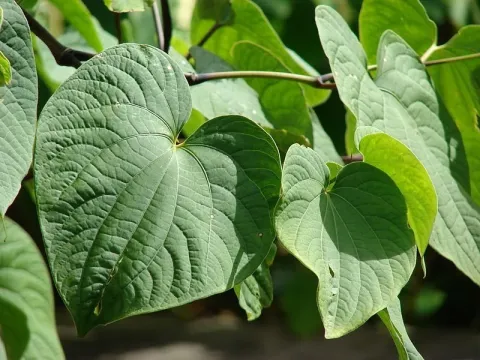
Kava (Piper methysticum) is a perennial evergreen shrub belonging to the Piperaceae family. The plant typically reaches heights of 2–3 meters and is characterized by large, heart-shaped leaves and thick, fleshy stems.
What the section contains
Kava
This crop thrives in tropical climates where temperatures remain consistently between 20 and 30 degrees Celsius. Kava is extremely sensitive to cold and requires a frost-free environment throughout the entire year.
High-quality, well-draining soil is essential for successful kava production. Loamy or sandy soils with a neutral to slightly acidic pH are ideal, provided they are rich in organic matter and free from waterlogging.
Kava prefers partial shade, mimicking the conditions of its natural Pacific Island habitat. Too much direct sunlight can cause significant physiological stress, resulting in scorched leaves and stunted growth.
The economic value of kava is centered on its rhizomes and roots, which contain active compounds called kavalactones. These are widely recognized for their relaxing properties and are central to the culture of many Pacific nations.
Propagation of kava is almost exclusively vegetative, as cultivated varieties rarely produce viable seeds. Growers use stem cuttings, typically 20 to 30 centimeters in length, taken from healthy, mature mother plants.
Cuttings should be planted in well-prepared, loose soil. The goal is to establish a strong root system before the onset of the dry season, making the beginning of the rainy season the optimal time for planting.
Spacing is a crucial factor in kava agriculture. Plants should be placed 1.5 to 2 meters apart to ensure proper airflow, which helps minimize the risk of disease spread within the plantation.
Newly planted cuttings require consistent moisture but must be protected from standing water. A layer of organic mulch is highly recommended to maintain soil moisture and suppress weed competition during the early stages.
As the plant grows, minimal soil disturbance is required, as the roots are delicate and spread horizontally. Proper management during the first year of growth determines the ultimate health and vigor of the crop.
Root rot is the most significant threat to kava plantations, often caused by poor drainage or excessive soil moisture. Once established, this fungal issue can devastate an entire harvest within a short period.
Nematodes are another primary concern, as they infest the root system and significantly inhibit the plant's ability to absorb nutrients. Crop rotation and using certified healthy cuttings are the best preventive measures.
Foliar diseases, such as leaf spot, can occur in environments with low light and high humidity. Regular canopy management and proper spacing are vital to maintain airflow and reduce disease pressure.
While pests like aphids and scale insects are less common, they can still damage young shoots. Integrated pest management, focusing on biological controls, is preferred to maintain the organic integrity of the crop.
Phytosanitary practices are essential when moving planting material between regions. Preventing the introduction of soil-borne pathogens and viral vectors is a critical aspect of responsible kava farming.
The harvest cycle for kava is long, typically taking 3 to 5 years for the plant to reach maturity. Harvesting earlier results in lower kavalactone content, which directly reduces the quality and market value of the crop.
Harvesting is performed by carefully digging up the entire plant. Special care must be taken not to damage the rhizomes, as the root mass is the primary commercial component of the plant.
Once harvested, the roots are thoroughly cleaned of dirt and soil. They are then chopped into smaller pieces to facilitate the drying process, which must be done carefully to preserve the chemical constituents.
Drying is performed in controlled environments with good airflow, away from direct sunlight. Excessive heat can degrade the active compounds, so slow and steady drying is preferred to ensure a premium final product.
After drying, the product is often processed into powder. Storage must be in cool, dry, and dark conditions to prevent oxidation and ensure the long-term viability of the kava powder for its various uses.