
Celebes pepper
Piper ornatum
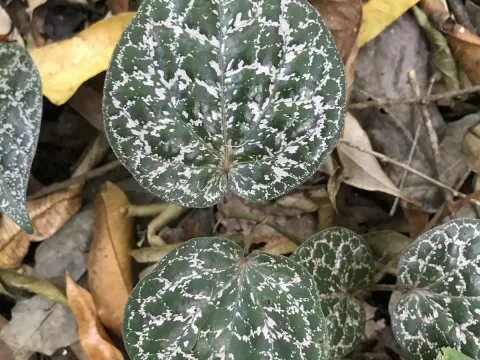
Celebes pepper (Piper ornatum), also known as the ornate pepper, belongs to the Piperaceae family. Originating from the tropical rainforests of Indonesia, specifically Sulawesi, this evergreen vine is widely cultivated as an ornamental plant for its stunning, heart-shaped foliage adorned with intricate silvery markings.
What the section contains
Celebes pepper
To ensure healthy growth, this crop requires a stable tropical climate with temperatures between +20 °C and +26 °C. It is highly sensitive to cold drafts and sudden temperature fluctuations, which can cause significant stress or leaf drop. Keeping the ambient temperature above +16 °C during winter is essential for its survival.
High atmospheric humidity is crucial for maintaining the plant's health, reflecting its native forest habitat. Growers should use humidifiers or mist the leaves regularly to mimic tropical conditions. The substrate should be kept consistently moist, but not waterlogged, as the roots are prone to oxygen deprivation if the soil remains saturated.
The ideal potting medium for Piper ornatum is a well-draining, nutrient-rich, and loose mixture. A blend containing peat, leaf mold, and perlite or coarse sand provides the necessary structure and aeration. A deep drainage layer at the bottom of the pot is a non-negotiable requirement for indoor cultivation.
Bright, indirect light is necessary to maintain the vibrant silver variegation of the leaves. Direct sunlight often causes scorching and yellowing of the foliage, so positioning the plant near east or west-facing windows is recommended. Low light levels lead to etiolation, where the stems become weak and the leaf patterns fade.
Spider mites are the most common pests affecting the Celebes pepper, especially when indoor air humidity is too low. These mites feed on the sap of the leaves, leading to stippling and eventual browning of the foliage if left untreated.
Mealybugs can also infest the stems and leaf axils. These pests are easily spotted by their white, cotton-like secretions. Regular inspection and wiping of the plant surfaces are effective methods for catching these infestations early.
Root rot is the most serious disease, caused primarily by overwatering and poor soil drainage. Symptoms include wilting leaves despite the soil being wet and a darkening of the stem base, which indicates the onset of fungal decay.
To combat pests, apply suitable systemic insecticides or horticultural oils according to the label. For fungal issues, it is imperative to prune the affected root mass and repot the plant in fresh, sterile soil, followed by a strict adjustment of the irrigation schedule.
Maintaining proper hygiene by cleaning the leaves with a damp cloth prevents dust accumulation and allows the plant to photosynthesize effectively, which strengthens its natural resistance to both pathogens and pests.