
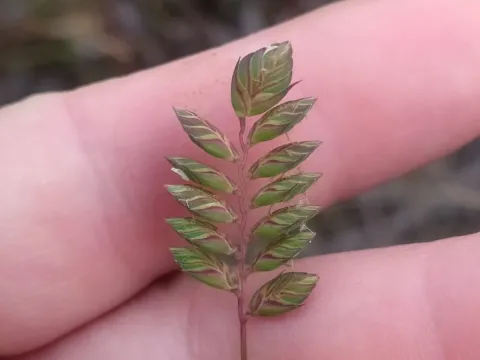
Plagiochloa
Plagiochloa
Plagiochloa, a member of the Poaceae family, is a perennial grass species that requires specific sowing techniques to ensure successful establishment. The optimal period for seeding is early spring, once soil temperatures reach 8-10 degrees Celsius, facilitating rapid and uniform germination.
What the section contains
Plagiochloa
In regions with milder climates, winter sowing is also practiced to take advantage of autumn moisture. Seeds should be planted at a shallow depth of approximately 1.5 to 2 centimeters, as the small seed size makes deep sowing detrimental to emergence.
Ensuring an appropriate stand density is critical during the sowing phase to allow the crop to compete effectively against weed pressures early on. Seeding rates are adjusted based on soil fertility profiles and the intended final usage of the stand.
Row seeding is the standard method employed, which simplifies mechanical weeding and nutrient application throughout the growing season. Utilizing high-quality, certified seeds is a fundamental step in ensuring the overall productivity and health of the future crop.
After seeding, rolling the soil is necessary to ensure optimal seed-to-soil contact, which is essential for consistent moisture absorption. Failure to achieve this contact often results in uneven stands and significantly reduced total biomass yield.
##requirements##This genus thrives in well-drained, fertile soils capable of maintaining moisture without becoming waterlogged. The crop exhibits moderate tolerance to soil acidity, though peak growth performance is consistently observed in neutral to slightly acidic soil environments.
Plagiochloa requires high levels of solar radiation for optimal vegetative development, necessitating open, unshaded fields. Reduced light exposure significantly hinders tiller development, which directly impacts the total harvestable biomass.
Climatic requirements focus on moderate rainfall patterns throughout the active growth phase. While the crop possesses inherent drought tolerance, prolonged moisture deficits will inevitably lead to a sharp decline in overall plant productivity.
Balanced mineral nutrition, particularly nitrogen supplementation during the tillering stage, is essential for maximizing yield. Potassium and phosphorus fertilizers are best applied in the autumn to harden the plants and improve winter hardiness.
An ambient temperature range of 18-25 degrees Celsius represents the ideal climate for the physiological processes of Plagiochloa. Under extreme heat or cold, the plants may enter a dormancy phase until more favorable environmental conditions return.
Yield capacity in Plagiochloa is closely linked to the intensity of management practices and the underlying fertility of the soil. When all agronomic requirements are strictly followed, the crop provides high-quality green biomass suitable for various animal feed applications.
The second and third harvests are particularly valuable due to their higher protein content. Generally, the maximum dry matter yield is achieved during the second and third years of a perennial stand’s lifecycle.
Utility includes both hay production and managed grazing, making it a flexible component of modern crop rotations. Rotational grazing systems are strictly recommended to prevent the depletion of root reserves and to maintain long-term stand vigor.
Seed harvesting requires precise timing, as the species is prone to seed shattering at maturity. Specialized equipment and methods are used to mitigate potential losses during the seed harvest process.
The consistent yield potential makes Plagiochloa an important asset for farm-level forage security. Consistent soil moisture management and timely nutrient application ensure that the field remains highly productive for several years of continuous use.
Despite its general hardiness, Plagiochloa is susceptible to common grass pathogens, such as rust and powdery mildew. Preventive management, including maintaining proper plant spacing to improve airflow, is essential for disease control.
Invertebrate pests, including cereal aphids and wireworms, can inflict damage on young seedlings and root systems. Regular field scouting during peak pest activity periods is required to prevent major outbreaks and subsequent biomass loss.
Root rot becomes a significant risk factor when water management fails or when soil compaction inhibits proper drainage. Fungicidal applications are strictly reserved for cases where economic injury thresholds are exceeded.
Weed interference is most problematic during the first year of establishment when the grass growth rate is slower. Early-season harrowing and strategic mowing are effective non-chemical methods for suppressing aggressive weed species.
An integrated pest management strategy, centered on crop rotation and the selection of resilient varieties, is the preferred approach. Continued agronomical observation allows for the rapid containment of localized pest populations.
Harvest timing for green biomass is dictated by the heading phase, where nutritional density is at its absolute peak. Delays in harvest lead to increased fiber content and decreased palatability, resulting in lower feed quality for livestock.
For high-quality hay production, rapid drying in the swath followed by compaction is crucial. The use of hay tedders facilitates uniform drying, which helps in preserving the natural color and essential vitamin content of the harvest.
Mowing height should be maintained at 5 to 7 centimeters to protect the crown and tiller nodes, which ensures rapid regrowth. Cutting too low significantly slows down the recovery of the stand for subsequent cuttings.
When harvesting for seed, a multi-stage combine approach is used to keep grain losses to a minimum. Harvested seeds must be dried thoroughly prior to storage to prevent microbial growth or self-heating within the storage facility.
Post-harvest management involves nutrient replenishment and light harrowing to stimulate new vegetative growth. This preparation is critical for ensuring the stand enters the winter dormant phase in a healthy, robust condition.