
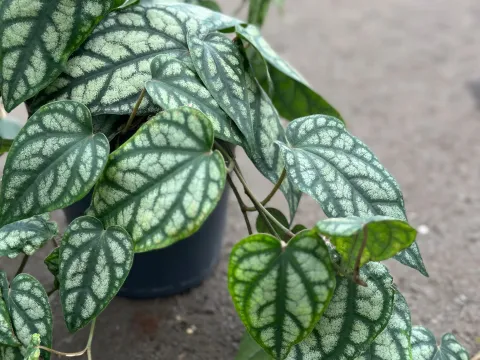
Forest pepper
Piper sylvaticum
Forest pepper (Piper sylvaticum) belongs to the Piperaceae family. It is a perennial tropical plant native to the humid forested regions of India and Southeast Asia, where it thrives in the understory.
What the section contains
Forest pepper
To cultivate this species effectively, one must replicate its natural habitat, providing a stable warm temperature ranging between 20°C and 28°C throughout the year.
The plant demands high ambient humidity and well-draining, humus-rich soil, which should remain moist but never waterlogged to prevent root decay.
Optimal lighting conditions for Piper sylvaticum involve filtered light; intense direct sunlight can cause significant tissue damage to the leaves.
Regular fertilization with balanced nutrients during the growing season is essential to support the development of its foliage and structural integrity.
The primary threats to Piper sylvaticum are root rots, which commonly develop due to over-irrigation or improper drainage systems in the potting medium.
Indoor cultivation environments are susceptible to pests such as spider mites and mealybugs, especially if the air humidity levels are not sufficiently maintained.
Scale insects can also pose a persistent issue, often hiding on the underside of leaves or along the stems, hindering the plant's nutrient uptake.
Effective pest management relies on early detection, maintaining high hygiene standards in the growing area, and applying appropriate horticultural control methods.
Plants weakened by poor air circulation or temperature fluctuations are much more prone to fungal infections, which can spread rapidly through the foliage.