
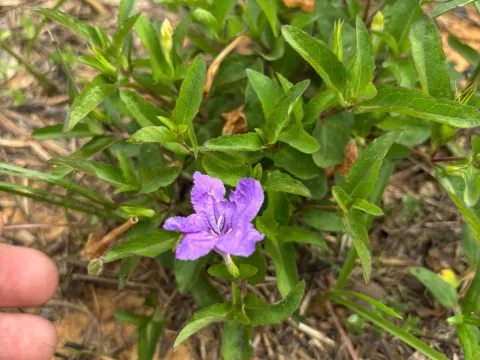
Pine-barren ruellia
Ruellia pinetorum
Pine-barren ruellia, scientifically known as Ruellia pinetorum, is a perennial herbaceous plant belonging to the Acanthaceae family. It is native to the pine forests and open sandy landscapes of North America, reflecting its evolutionary preference for specific soil types.
What the section contains
Pine-barren ruellia
The culture thrives in well-drained sandy or loamy soils, which mimic its natural habitat. Proper drainage is the most critical factor in its successful cultivation to prevent root damage caused by excessive water retention.
While this plant is moderately drought-tolerant once established, it requires consistent moisture during its initial growth phase to develop a robust root system. It adapts well to varying degrees of sunlight, from partial shade to full sun exposure.
In terms of temperature, Ruellia pinetorum prefers warm environments and is sensitive to prolonged freezing temperatures. Growers in cooler regions typically treat it as a tender perennial or a container plant to protect it from harsh winters.
Its primary agricultural and horticultural utility lies in landscape gardening, where it is utilized for its ornamental value. Its ability to serve as a low-growing cover plant makes it a preferred choice for residential and commercial landscaping.
Spider mites are the most common pests encountered in the cultivation of Ruellia pinetorum, particularly in greenhouse conditions with low relative humidity.
Aphids can pose a threat by feeding on tender shoot tips, potentially stunt growth and spreading viral infections if left unmanaged by the gardener.
Root rot, driven by Phytophthora or Pythium species, remains the most significant disease risk, which is almost always linked to poor soil drainage and waterlogging.
Powdery mildew may develop if plants are overcrowded, leading to poor air circulation and excessive humidity trapped within the plant canopy.
Effective management strategies include maintaining proper spacing between individual plants and implementing a strict watering schedule to prevent soil saturation.