
Pink xanthosoma
Xanthosoma roseum
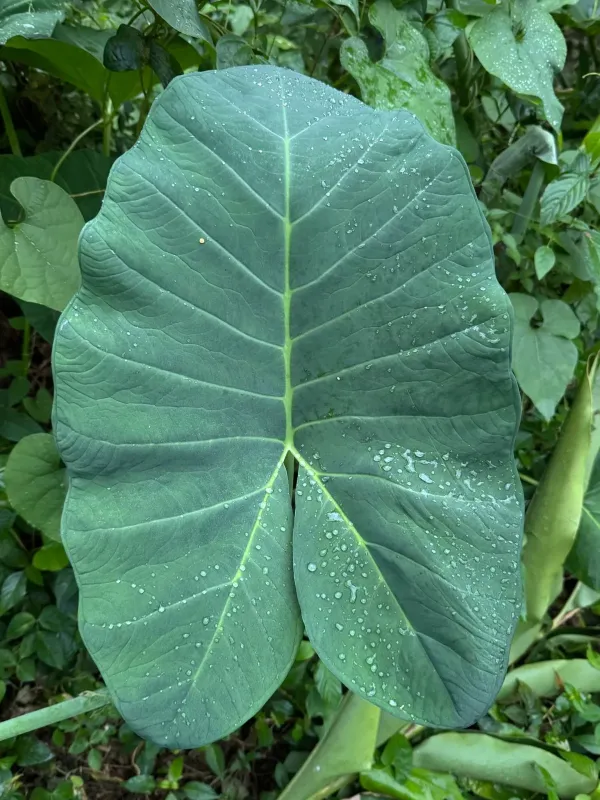
Description
Growing requirements
Pink xanthosoma (Xanthosoma roseum) is a perennial herbaceous plant belonging to the Araceae family, valued primarily for its edible corms and tubers. Native to the tropical regions of Central and South America, it remains an essential food source in these areas.
The plant thrives in warm, humid climates with temperatures ideally between 22°C and 30°C. It is highly susceptible to chilling injury, and any exposure to frost will immediately terminate plant growth, making it unsuitable for temperate agricultural zones.
Cultivation requires fertile, loamy soils that possess excellent drainage qualities while maintaining moisture. The optimal pH range is slightly acidic to neutral, between 5.5 and 6.5, which facilitates the absorption of nitrogen and phosphorus.
Adequate water supply is crucial throughout the growing season to ensure robust tuber development. While the plant loves water, it is imperative to avoid waterlogged conditions, which can quickly lead to the development of root and tuber rot.
The plant grows relatively large, broad leaves that serve as a source of photosynthesis, requiring significant space between individual plants to prevent overcrowding. Proper spacing is essential to facilitate airflow and minimize the impact of humidity on leaf health.
Yield
The primary economic output of Xanthosoma roseum is the starchy corm, which serves as a staple food item. These are typically cooked, boiled, or fried, providing a significant amount of dietary energy in the form of complex carbohydrates.
Beyond the tubers, the young leaves and petiole tissues are sometimes consumed as leafy vegetables. They are known for containing essential vitamins and minerals, although they must be cooked thoroughly to neutralize the calcium oxalate crystals present in the raw tissues.
Main diseases and pests
The crop is vulnerable to various pests, including leaf-feeding insects and mites, which can cause significant stress to the foliage. In humid environments, fungal pathogens frequently cause leaf spots, requiring integrated pest management strategies to control.
Rhizome rot is arguably the most destructive threat to the crop, often exacerbated by poor soil drainage. Implementing proper crop rotation practices is the most effective way to prevent the buildup of soil-borne pathogens and ensure a healthy harvest.
Harvesting
Harvesting usually occurs roughly 9 to 12 months post-planting, once the foliage begins to show senescence by yellowing and drooping. Growers carefully unearth the corms, taking care to minimize bruises, which helps in prolonging the shelf-life of the harvested produce.