
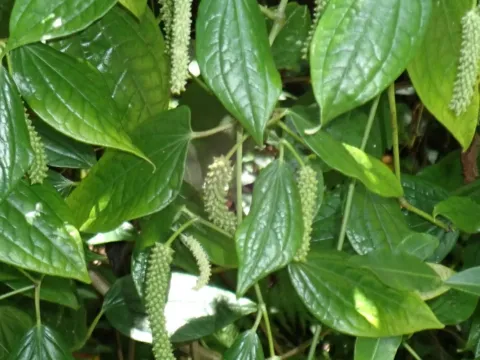
Cape pepper
Piper capense
Cape pepper (Piper capense) is a perennial evergreen shrub or climbing vine belonging to the Piperaceae family. It is native to the tropical and subtropical regions of Africa, where it thrives in the dense, shaded environments of montane forests.
What the section contains
Cape pepper
The species prefers a climate with high humidity and consistent, moderate temperatures. It is highly sensitive to frost, making it suitable for cultivation primarily in tropical or strictly controlled greenhouse environments where environmental variables are strictly managed.
Regarding soil requirements, the plant demands well-drained, nutrient-rich soil with a high content of organic matter. Its root system is delicate and prone to damage if the soil becomes compacted or waterlogged, requiring careful attention to soil aeration.
Agrotechnical management focuses on simulating forest floor conditions, which involves providing adequate shading and maintaining a consistent moisture balance. The plant responds well to mulching, which helps stabilize soil temperature and moisture levels throughout the growing season.
Beyond its botanical interest, the plant is historically valued for its culinary and medicinal properties. The berries are harvested and utilized as a spice, providing a unique aromatic profile often used in traditional culinary practices within its native distribution range.
Root rot is the most significant disease threat to Cape pepper, typically caused by fungal pathogens when soil moisture levels are not properly managed.
Pests such as aphids and spider mites are frequent adversaries, especially when the plant is grown in environments that lack sufficient natural predators or air circulation.
Fungal leaf spot diseases can affect the plant during periods of high humidity and poor ventilation, often leading to premature leaf shedding.
Mealybugs can cause severe damage by feeding on the sap of the plant, which often leads to the development of sooty mold on the foliage surface.
Integrated pest management strategies, including the use of neem oil and biological control agents, are recommended to maintain plant health without relying on harsh chemical pesticides.