
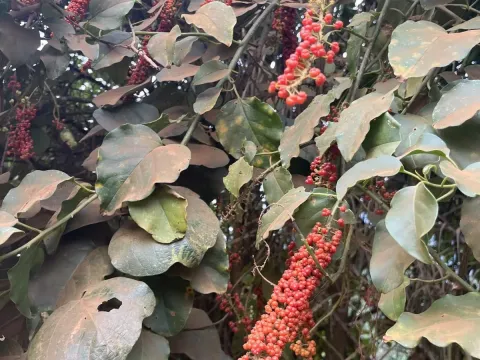
African soapberry
Phytolacca dodecandra
African soapberry (Phytolacca dodecandra) is a perennial shrub belonging to the Phytolaccaceae family. Native to tropical Africa, this plant has gained significant agricultural interest due to the potent saponins present in its berries, which act as a natural molluscicide.
What the section contains
African soapberry
The crop thrives in warm, tropical climates with high levels of solar radiation. It is highly sensitive to frost, which limits its commercial cultivation to frost-free regions or controlled greenhouse environments in temperate zones.
Ideal soil conditions include well-drained, fertile, and deep soils that allow the taproot system to develop properly. The plant shows a preference for soils with a slightly acidic to neutral pH, ensuring optimal nutrient availability for leaf and fruit production.
Water requirements are moderate, but consistent moisture is essential during the early stages of growth and the fruit-setting period. Avoid waterlogging at all costs, as the plant is susceptible to root rot in poorly aerated soil conditions.
Effective agronomic management includes regular pruning to encourage bushy growth and increase the surface area for berry production. Proper spacing between plants is crucial to ensure adequate airflow and reduce the incidence of fungal outbreaks.
Fungal diseases, specifically those affecting the roots and collar region, are the most significant threat to Phytolacca dodecandra. Prevention through soil sterilization and proper irrigation management is key to maintaining a healthy plantation.
Insect pests such as leaf miners and aphids can cause extensive damage to the foliage. Implementing integrated pest management strategies, such as introducing beneficial predators, helps control these populations without harming the crop's quality.
Viral infections manifest as chlorotic spots and leaf deformation. Once a plant is infected with a virus, there is no curative treatment, making the strict removal and destruction of affected plants the primary control measure.
Environmental stress, such as excessive humidity combined with high temperatures, often leads to powdery mildew. Using sulphur-based treatments at the first signs of infection is a standard agricultural practice to curb the disease.
Monitoring the soil fertility is also a form of protection, as nutrient deficiencies can weaken the plant's natural immune system, making it more vulnerable to opportunistic pests and secondary infections throughout its life cycle.