
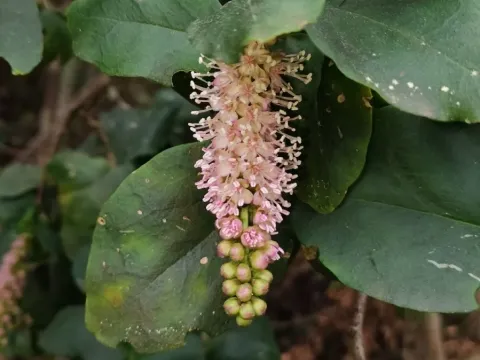
Ercilla
Ercilla
Propagation of Ercilla (Ercilla volubilis) is typically achieved through seeds or stem cuttings. Seed sowing is performed in the spring into a well-drained, sterile potting substrate.
What the section contains

Ercilla
The seeds require consistent moisture and temperatures between 18–20 degrees Celsius for successful germination. Stratification can be beneficial to break seed dormancy.
Stem cuttings are best taken in late summer, utilizing semi-hardwood material. This method ensures that the new plants maintain the genetic characteristics of the parent vine.
When transplanting into the garden, it is crucial to wait until the danger of late spring frost has completely passed to protect the developing shoots.
Application of rooting hormones is highly recommended for cuttings to encourage rapid establishment and to develop a robust root system before the onset of winter.
Ercilla is an evergreen climber belonging to the Phytolaccaceae family, native to Chile. It is prized for its ornamental value and its ability to climb using specialized aerial roots.
The plant thrives in locations with full sun or partial shade. However, it requires protection from harsh, drying winds, which can damage the foliage and impede growth.
Soil requirements include well-draining, fertile loams with a neutral pH. The plant performs best in soil that is rich in organic matter but not prone to heavy waterlogging.
Regular watering is essential, especially during the first growing season. Once established, Ercilla displays moderate drought tolerance but benefits from consistent moisture in hot summers.
A sturdy vertical structure, such as a trellis or wall, is necessary to support its climbing habit, allowing the vine to spread efficiently and create dense cover.
Ercilla is generally resilient and rarely suffers from severe diseases. Most health issues arise from improper soil moisture management, which can lead to fungal root pathogens.
Common pests that may affect this plant include spider mites and scale insects. These are more prevalent when the plant is stressed by excessive heat or dry air.
Frequent monitoring of the undersides of the leaves is the best preventive strategy against infestations. Keeping the plant hydrated helps maintain its natural defense mechanisms.
If an infestation occurs, horticultural oils or systemic insecticides can be used to manage the population. Always follow the product guidelines to ensure safety for beneficial insects.
Annual pruning in early spring is vital for plant health. Removing dead or overlapping stems promotes better airflow throughout the canopy, significantly reducing the risk of disease.