
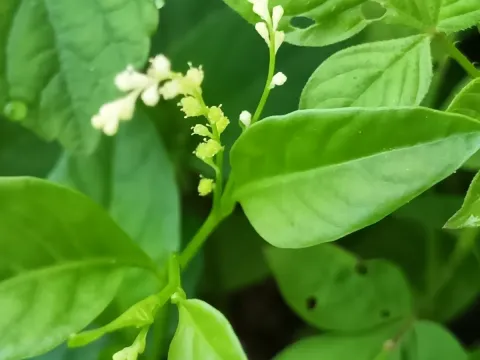
Microtea
Microtea
Microtea is a tropical herbaceous genus that is not typically grown as a commercial industrial crop, meaning its sowing practices are localized and experimental.
What the section contains

Microtea
Seeds are best sown in a warm, moist medium at temperatures ranging from 22 to 26 degrees Celsius, simulating the tropical environment of its origin.
Given the small size of the seeds, they should be surface-sown or covered with a very fine layer of substrate to ensure consistent germination.
In natural habitats, germination occurs rapidly at the start of the rainy season, which is the primary indicator for timing in nurseries.
Successful establishment depends on maintaining high humidity during the early seedling stage, preventing the delicate root system from drying out.
The plant belongs to the family Microteaceae. It thrives in high-light tropical conditions, though it benefits from dappled light to prevent heat stress on the foliage.
Soil requirements include excellent drainage and a high organic matter content, as the plant is sensitive to waterlogged conditions that lead to root rot.
Microtea requires a stable, warm climate throughout its life cycle, with an optimal temperature range between 20 and 30 degrees Celsius.
Maintenance involves regular monitoring of the soil moisture, ensuring that the root zone remains damp but never oversaturated.
When grown in greenhouse settings, adequate spacing is required to ensure proper airflow, which reduces the risk of leaf pathogens common in tropical varieties.
The most significant threat to Microtea is fungal pathogens, specifically those causing root rot, which are triggered by stagnant water and poor soil drainage.
Insect pests, including aphids and whiteflies, frequently colonize the underside of the leaves, drawing nutrients and causing stunted growth.
Mites can become problematic in low-humidity environments, leading to leaf drop and decreased photosynthetic activity.
Bacterial wilt may occur in dense plantings where moisture remains trapped on the surface of the stems for extended periods.
Integrated pest management is recommended for Microtea to avoid chemical residues, as parts of the plant are sometimes used in local ethnobotanical practices.