
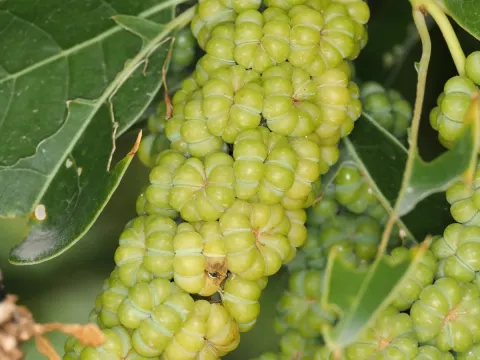
Ombu
Phytolacca dioica
Ombu, scientifically known as Phytolacca dioica, is a robust, evergreen plant belonging to the Phytolaccaceae family. Native to the South American pampas, it is recognized for its massive trunk and rapid growth rate, making it an iconic feature of its origin regions.
What the section contains
Ombu
The cultivation of Ombu requires a subtropical climate, as the plant is highly sensitive to frost. Ideal growing conditions include regions with mild winters and warm, sunny summers where the tree can develop its extensive root system without the risk of freezing temperatures.
Soil requirements for this species are relatively moderate, but it thrives best in deep, well-draining soils rich in organic matter. While it can adapt to various soil types, avoid clay-heavy soils that retain too much moisture, as this inhibits healthy root development.
Agricultural management of Ombu involves proper watering cycles, particularly during the early stages of development. While mature trees are somewhat drought-tolerant due to their succulent-like wood, consistent moisture availability promotes a more lush and vigorous canopy.
Space management is crucial when planting Ombu due to its sprawling growth habit. The tree can reach significant dimensions, so it is often planted as an individual specimen in pastures or large garden areas to provide shade for livestock and people.
Root rot caused by Phytophthora species is the most significant pathological threat to Ombu, especially in poorly drained agricultural landscapes. Managing soil moisture is the primary preventative measure against this deadly condition.
Scale insects frequently infest the foliage and succulent stems of the tree. These pests can severely weaken the plant by extracting sap and are often associated with the secondary growth of sooty mold, which impairs photosynthesis.
Aphid outbreaks are common during periods of rapid spring growth. Integrated pest management strategies, including the use of horticultural oils or systemic insecticides, are necessary to keep the tree’s crown healthy and free from pest damage.
Leaf spot diseases, often fungal in origin, may appear during prolonged wet weather conditions. Improving air circulation by selective pruning of lower branches helps to mitigate these issues and ensures the tree remains vigorous.
Overall, the health of an Ombu tree is maintained by ensuring that the plant is not subjected to extreme moisture stress and that its physical structure is protected from deep wounds that could invite wood-decay fungi.