
Rivina
Rivina
Rivina is a genus of perennial herbaceous plants and shrubs belonging to the Phytolaccaceae family. Native to the tropical regions of the Americas, it is commonly known as bloodberry or pigeonberry, valued primarily for its ornamental foliage and persistent bright red fruits.
What the section contains

Rivina
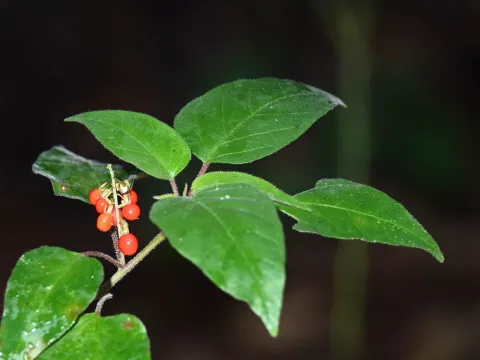
Botanically, Rivina features ovate-lanceolate leaves and racemes of small, white-to-pinkish flowers followed by spherical, glossy red berries. In its natural habitat, it serves as an understory plant, which dictates its preference for filtered light and stable, humid environmental conditions.
Regarding climate, the plant thrives in temperatures ranging from 18°C to 26°C. It is sensitive to frost and extreme heat, requiring consistent conditions to remain productive throughout its growing cycle. Providing moderate humidity is essential, especially during the active flowering phase.
The soil requirements for Rivina involve a well-draining, nutrient-rich potting medium. A standard mix typically includes organic compost, peat moss, and coarse sand or perlite. Ensuring the container has adequate drainage holes is critical to prevent waterlogging, which the plant does not tolerate.
Cultivation practices involve consistent watering, allowing the top layer of soil to dry slightly before the next irrigation. Periodic fertilization with a balanced liquid fertilizer during the spring and summer months encourages vigorous growth and maintains the vivid color of the berries.
Pest management is a vital part of Rivina husbandry. Common threats include spider mites and mealybugs, which thrive in low-humidity environments. Regular inspection of the underside of leaves and keeping the foliage clean with a damp cloth can help prevent significant infestations.
Fungal issues such as root rot remain the primary biological threat. These are almost exclusively caused by improper irrigation regimes or heavy, compact soils. To mitigate these risks, growers should prioritize the use of high-porosity substrates and avoid leaving standing water in the drainage tray.