
Physalis micrantha
Physalis micrantha
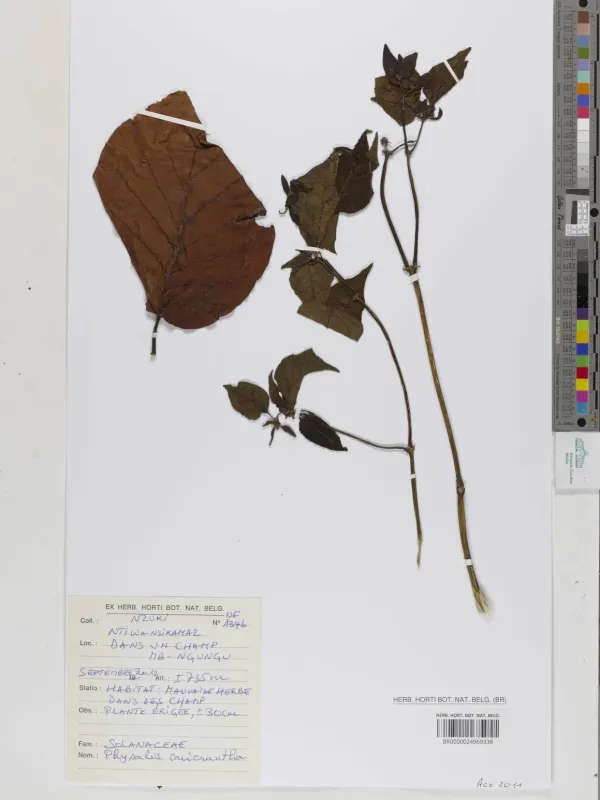
Description
Sowing dates
Physalis micrantha belongs to the Solanaceae family. It is an annual herbaceous plant known for its adaptability and distinct botanical characteristics compared to other Physalis species.
Seeds are typically started indoors 6 to 8 weeks before the last frost date. They should be sown in a sterile, well-draining seed-starting mix and kept at a temperature of about 22 degrees Celsius.
Once the seedlings develop two true leaves, they are moved to individual pots to strengthen their root systems. Hardening off is a mandatory process before transplanting them to the field.
The planting density is crucial; usually, a spacing of 50 centimeters between plants is recommended to allow for adequate growth and light penetration.
Direct seeding in the field is only recommended in regions with long, frost-free growing seasons, as the plant requires significant warmth to reach its full productive potential.
Growing requirements
This species thrives in sunny environments. Exposure to full sunlight is essential for the proper development of fruits and the accumulation of sugars within them.
The soil should be fertile, sandy loam or loamy, with a pH ranging from 6.0 to 7.0. Ensuring excellent soil drainage is vital to prevent root diseases that are common in this family.
Watering requirements are moderate. The crop benefits from consistent moisture during the fruit-set stage, but excessive irrigation can lead to poor fruit quality.
Temperatures between 20 and 28 degrees Celsius are ideal for vegetative growth. The plant is sensitive to thermal stress and will cease growing if temperatures drop too low.
Using mulch around the base of the plant helps retain soil moisture, suppresses weed growth, and keeps the soil temperature stable during fluctuating weather.
Main diseases and pests
Common pests include aphids, which can carry viruses, and lepidopteran larvae that feed on leaves and developing fruits throughout the season.
Fungal pathogens such as Alternaria leaf spot may occur under high humidity conditions. Improving air circulation around the plants significantly reduces these risks.
To manage pests sustainably, farmers often use integrated pest management (IPM) practices, such as introducing beneficial insects and removing infected plant tissue immediately.
Crop rotation is the most effective way to prevent soil-borne pathogens. Physalis should not be planted in plots previously used for tomatoes, peppers, or eggplants.
Regular inspection of the underside of leaves for signs of infestation allows for early detection and prevents the need for heavy chemical intervention.
Harvesting
Harvesting usually begins when the papery husk turns brown and dries out. At this stage, the fruit inside has typically reached its optimal flavor profile.
The fruits can be collected by hand as they ripen. It is important to harvest before the first autumn frost, which can ruin the quality of the remaining fruits.
Post-harvest, the fruits should be stored with their husks intact in a cool, dry place to extend their shelf life and maintain freshness.
Physalis micrantha is utilized for its unique culinary properties, being a great ingredient for jams, preserves, and fresh salsas due to its balanced acidity.
- Harvest during the driest part of the day.
- Avoid harvesting wet fruits to prevent mold growth.
- Keep stored fruits in well-ventilated crates.