
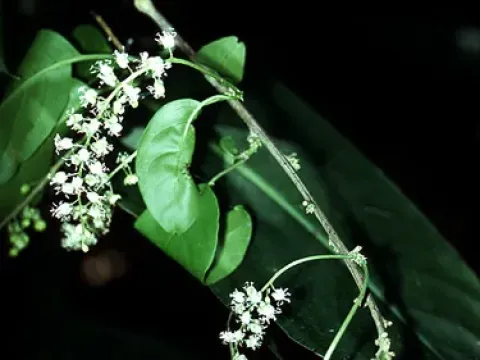
Trichostigma
Trichostigma
Trichostigma is a genus of flowering plants belonging to the family Phytolaccaceae. These plants are native to the tropical regions of the Americas and are typically characterized by their vine-like or shrubby growth habits, often thriving in humid forest environments.
What the section contains


Trichostigma
Cultivation of Trichostigma requires a stable tropical climate. The plant is highly sensitive to frost and extreme temperature fluctuations, requiring a consistent temperature range between 20 and 28 degrees Celsius for optimal metabolic activity and vegetative growth.
The soil requirements focus on high organic content and excellent drainage. A well-aerated potting mix with a slightly acidic to neutral pH level is ideal. Because the root system is susceptible to rot, avoiding waterlogged conditions is the primary concern for agronomists.
Lighting conditions should mimic the dappled light of the tropical forest canopy. While the plant appreciates bright, indirect light, direct and intense sunlight should be avoided during peak midday hours to prevent leaf scorching and dehydration.
Agricultural management involves routine pruning and support structure installation. Since Trichostigma produces long, flexible stems, providing trellises or vertical supports is essential to ensure proper air circulation and to facilitate efficient canopy management throughout the growth cycle.
Common threats to Trichostigma include root rot and stem rot, which are primarily caused by over-irrigation or poor drainage substrates. These pathogens thrive in stagnant water environments, severely damaging the plant's ability to absorb nutrients.
Pests such as spider mites, aphids, and mealybugs represent the main biological threats. These insects are particularly prevalent in greenhouse environments with low humidity, where they can quickly colonize the underside of leaves and weaken the plant.
Preventive measures include maintaining appropriate humidity levels and ensuring good ventilation. Using eco-friendly acaricides and systemic insecticides can help manage pest outbreaks without harming the plant's overall health or the local ecosystem.
Fungal leaf spots can occur when the plant is kept in crowded conditions with limited airflow. Pruning diseased sections and improving the spacing between plants are effective strategies for maintaining a healthy and productive crop.
Nutrient deficiencies often manifest as chlorosis, indicating an imbalance in fertilizer application. Providing a balanced, micronutrient-rich feeding schedule during the peak growing season is necessary to sustain high vigor and prevent physiological disorders.