
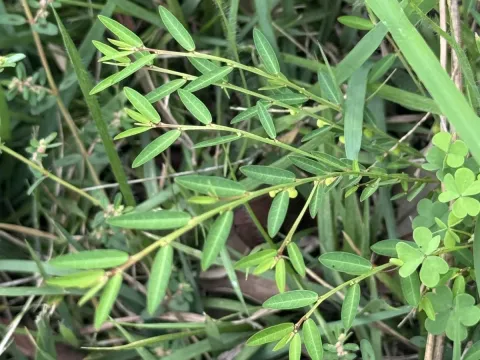
Phyllanthus ussuriensis
Phyllanthus ussuriensis
Phyllanthus ussuriensis is an annual herb within the Phyllanthaceae family, known for its specific physiological requirements during the initial growth phase.
What the section contains
Phyllanthus ussuriensis
The optimal sowing time begins in late spring, once soil temperatures consistently stay above 15 degrees Celsius to ensure rapid and uniform seed germination.
Seeds should be planted at a shallow depth of 1–2 centimeters, as they require sufficient contact with the soil to uptake moisture while still being able to penetrate the surface easily.
Spacing between rows should be set at approximately 30–45 centimeters, which is essential to allow for mechanical weeding and proper air circulation as the plants develop.
Seedbed preparation is crucial; the soil must be fine-tilled and free of large clumps to facilitate the growth of delicate seedlings during the first weeks of the season.
This species thrives in sunny, open environments, as it is native to regions where high levels of solar radiation are available during the peak growing season.
The plant performs best in well-drained, sandy loam soils that possess good nutrient content and a neutral pH, ensuring that the roots remain healthy and aerated.
Water management is a key aspect of cultivation; while the plant is somewhat resilient, consistent moisture levels during the vegetative phase lead to higher biomass yields.
Wind protection is recommended for cultivated plots to prevent stem breakage and physical damage to the leaves, which can reduce the overall quality of the harvested material.
Fertilization with balanced nutrients, focusing on nitrogen in early stages and potassium as the flowering period approaches, supports strong plant structural development.
Root rot and fungal pathogens pose the greatest risk to Phyllanthus ussuriensis, especially in conditions where soil drainage is inadequate or humidity is excessively high.
Common pests such as spider mites and aphids can become a significant problem, particularly during hot, dry spells when the plant's defenses might be naturally lowered.
Weed management is vital as the crop is not highly competitive against vigorous grasses and broad-leaved weeds during its slow initial growth stage.
Integrated pest management strategies are encouraged to avoid the use of harsh synthetic pesticides, ensuring the final harvest remains suitable for medicinal or dietary use.
Regular monitoring for early signs of yellowing or wilting allows for prompt corrective actions, such as improving soil aeration or adjusting irrigation schedules.
The harvest should take place during the peak flowering stage to capture the highest concentration of active compounds within the plant tissues.
Mechanical harvesting involves cutting the above-ground parts of the plant at a height of approximately 5–10 centimeters above the soil line.
Immediate post-harvest processing is required, as the cut plants can lose their potency if allowed to sit in piles where internal heat builds up rapidly.
Drying is best accomplished in shaded, well-ventilated drying racks to maintain the chemical integrity of the harvested foliage and stems.
Once dried to the desired moisture level, the plant material must be stored in cool, dark, and dry conditions to prevent spoilage and maintain its shelf life.