
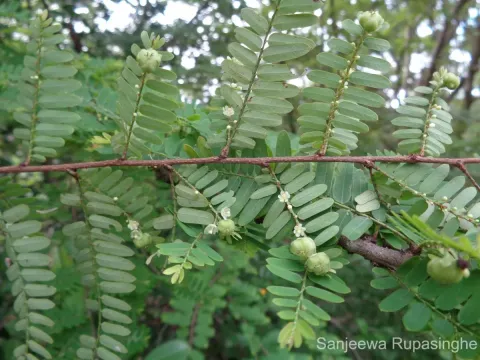
Phyllanthus racemosus
Phyllanthus racemosus
Phyllanthus racemosus belongs to the Phyllanthaceae family. This tropical plant species is native to the forests of South and Southeast Asia, thriving in warm and humid environments typical of tropical climates.
What the section contains
Phyllanthus racemosus
The climate requirements for this species are strict, necessitating a frost-free environment throughout the year. It performs best in areas where temperatures remain consistently warm, as cold snaps can cause irreversible physiological damage.
Soil management for this culture involves ensuring high fertility and excellent drainage. The plant prefers slightly acidic to neutral soils that are rich in organic matter, mimicking the forest floor conditions of its native habitat.
Agronomic practices include maintaining consistent soil moisture, which is critical during the initial establishment of the crop. While it loves sunlight, young specimens benefit from partial shade to prevent leaf scorching during the peak of the day.
The primary economic value of Phyllanthus racemosus lies in its medicinal properties. It is highly regarded for its phytochemical profile, which is used in the development of herbal supplements and traditional medicines focusing on liver health.
Typical threats include infestation by scale insects and mealybugs, which are common in tropical agricultural settings. These pests can significantly weaken the plant if left unmonitored during the active growth phases.
Fungal diseases, often manifesting as leaf blight, are common when humidity levels are excessively high and air movement is restricted. Implementing proper spacing between plants is an essential agronomic practice to prevent these issues.