
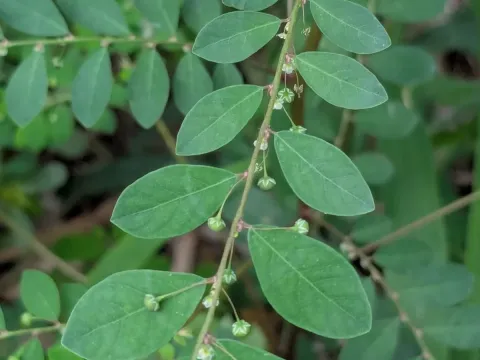
Phyllanthus tenellus
Phyllanthus tenellus
Phyllanthus tenellus, commonly known as the slender phyllanthus, is a member of the Phyllanthaceae family. This species is often recognized as a medicinal plant in various tropical traditions and thrives in warm, humid climates across the globe.
What the section contains
Phyllanthus tenellus
For cultivation, seeds should be sown in prepared nursery trays or directly into well-drained soil once temperatures consistently exceed 20 degrees Celsius. The seeds require shallow planting, as they are minute and need adequate light to trigger germination.
Succession planting is recommended for those looking to maintain a steady harvest of foliage throughout the growing season. Proper spacing, usually about 15–20 centimeters between plants, allows for sufficient airflow and root development.
The plant exhibits a rapid lifecycle, which can be advantageous for intensive farming systems. It is capable of producing significant biomass within a relatively short period under optimal environmental conditions.
When selecting a site, ensure that the soil is light and friable. Heavy, compacted soils hinder root growth and increase the risk of waterlogging, which the plant does not tolerate well during its early development stages.
Phyllanthus tenellus demands full sunlight for optimal growth and secondary metabolite accumulation. While it can survive in partial shade, shaded conditions often lead to weaker stems and lower overall productivity of the crop.
The ideal soil is rich in organic matter with a pH balance between 5.5 and 7.0. Ensuring that the nutrient levels are balanced is essential, particularly focusing on organic nitrogen sources to promote lush leaf growth.
Consistent moisture is key; the soil should be kept damp but never waterlogged. In drier climates, regular misting or irrigation is required to prevent the plant from experiencing drought stress and early leaf drop.
The plant thrives in temperatures ranging from 22 to 30 degrees Celsius. It is highly sensitive to frost, which will terminate the plant immediately, making it strictly a warm-season crop in temperate regions.
Strategic soil management, including the addition of compost, enhances moisture retention and soil structure. This promotes a healthier root environment and supports the plant’s resilience against environmental fluctuations.
Pest pressure from aphids, spider mites, and whiteflies is common in Phyllanthus tenellus fields. These insects damage the foliage, leading to stunted growth and potentially transmitting viral diseases to the crop.
Fungal pathogens such as leaf spot and powdery mildew are significant concerns in high-humidity conditions. These diseases often arise if air circulation is insufficient or if the plants are overcrowded in the garden beds.
Integrated pest management (IPM) strategies, including the use of neem oil or other botanical insecticides, are highly recommended. These measures keep the crops safe for potential medicinal or culinary end-use.
Good sanitation practices are critical to preventing disease outbreaks. This includes the immediate removal of any infected plant material and cleaning tools after working in the field to stop the spread of spores.
- Regular monitoring of leaf undersides for mite activity.
- Ensuring adequate spacing to maximize ventilation.
- Using organic mulch to regulate soil temperature and pests.
- Rotation of crops to reduce soil-borne pathogen buildup.