
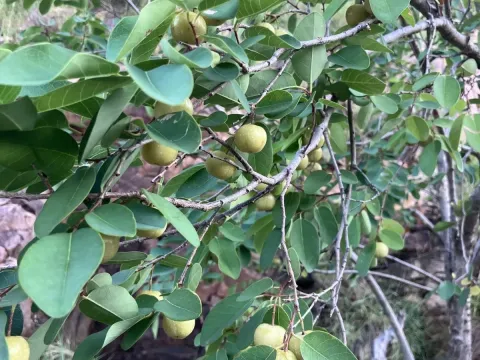
Pseudolachnostylis
Pseudolachnostylis
Pseudolachnostylis maprouneifolia is a prominent member of the Phyllanthaceae family. This deciduous tree is native to the woodlands and savannas of tropical and subtropical Africa.
What the section contains

Pseudolachnostylis
The species is highly adapted to diverse soil types, thriving best in well-drained, sandy, or rocky terrains. It is renowned for its remarkable drought tolerance, allowing it to flourish even in areas with long, severe dry seasons.
This tree requires full sun exposure to maintain its vigorous growth rate. It is strictly a tropical species and is highly intolerant of frost, meaning cultivation is confined to warm, frost-free climatic zones.
Botanically, it features a characteristic open, spreading crown and greyish bark. It plays a significant role in its native habitat by providing shelter and food for local wildlife while stabilizing fragile soils.
Economically, the wood is utilized for furniture and construction due to its durability. Additionally, parts of the plant, including roots and leaves, are deeply integrated into traditional health practices across several African regions.
Waterlogging is a primary threat to Pseudolachnostylis, as saturated soils quickly lead to root rot and systemic fungal infections.
In its native environment, the tree faces heavy grazing pressure from herbivores, which can stunt the growth of young saplings if not managed properly.
Wood-boring beetles and various leaf-chewing larvae represent the most common pests that can degrade the quality of the wood and the overall health of the tree canopy.
Prevention involves ensuring high-quality drainage in agricultural or forestry settings to mimic the natural, well-drained environments the tree prefers.
Proper site selection is the most effective management tool, as healthy trees growing in optimal conditions are naturally more resilient to minor pest outbreaks and environmental stress.