
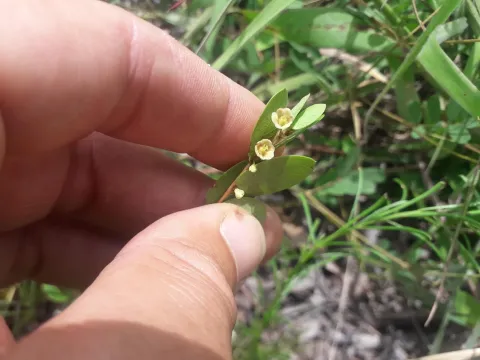
Phyllanthus welwitschianus
Phyllanthus welwitschianus
Phyllanthus welwitschianus is a member of the Phyllanthaceae family, known for its distinct botanical characteristics. It is native to the tropical regions of Africa, where it plays an ecological role in the local flora.
What the section contains
Phyllanthus welwitschianus
To thrive, this plant requires tropical climate conditions with temperatures typically ranging between 22 and 32 degrees Celsius. It is highly intolerant of frost and prefers consistent warmth throughout the growing season.
Regarding soil requirements, it prefers well-draining, slightly acidic to neutral soils rich in organic matter. Avoid heavy clay soils that may retain excessive water, as the plant is susceptible to root decay under waterlogged conditions.
Agricultural management includes precise irrigation planning to mimic seasonal rainfall patterns found in its natural habitat. During the dry season, supplemental water is necessary, though the plant shows some drought tolerance.
The plant has gained interest for its potential in agricultural sectors focused on botanical medicine. Proper harvesting techniques ensure the preservation of active compounds found in the leaves and stems.
Common plant health threats include fungal infections such as leaf spot and damping-off, which often occur when humidity is too high and air circulation is insufficient. Improving ventilation around the plants is a primary preventative measure.
Pests such as aphids, mealybugs, and spider mites represent significant challenges to commercial production. These insects deplete plant resources and can act as vectors for various plant viruses.
Monitoring for pest outbreaks should be conducted weekly. Mechanical removal of affected plant parts is recommended in the early stages of infestation to prevent further spread within the field.
Integrated Pest Management (IPM) is highly advised to maintain the quality of the raw material. This involves combining biological controls, such as introducing predatory insects, with sustainable farming practices.
Soil sterilization or crop rotation is essential if the plant is grown repeatedly on the same plot. This reduces the risk of soil-borne pathogens accumulating over time and ensures a healthier crop yield.