
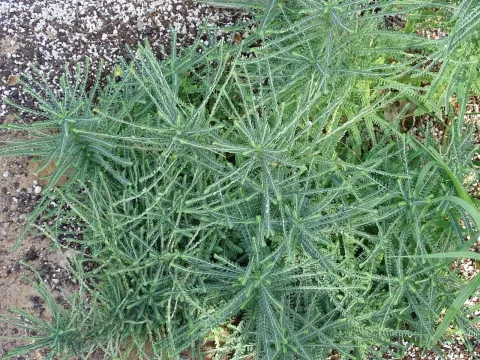
Phyllanthus rotundifolius
Phyllanthus rotundifolius
Phyllanthus rotundifolius is an annual herbaceous plant belonging to the Phyllanthaceae family. The sowing process must be synchronized with the onset of stable warm temperatures to ensure proper germination of the seeds.
What the section contains
Phyllanthus rotundifolius
Seeds are typically sown at a shallow depth of 1–2 cm, maintaining a row spacing that allows for efficient management and light penetration during the growth cycle.
Pre-sowing preparation, such as cleaning and seed grading, is crucial for achieving high germination rates and uniform crop development across the entire field.
Soil should be prepared to a fine tilth to support the initial development of the root system, which is particularly vulnerable during the first few weeks after emergence.
In regions with fluctuating climates, protected sowing or the use of nurseries can ensure the crop gets a head start before being transplanted into the open field.
This crop thrives in well-drained, fertile soil types, specifically loams or sandy loams that offer optimal moisture retention without risking waterlogging.
Sunlight is the primary driver of growth for Phyllanthus rotundifolius. It requires full sun exposure to reach its maximum biological potential and optimize its chemical profile.
The ideal temperature for vegetation ranges between +22 °C and +30 °C. The crop is highly sensitive to cold stress, making frost protection measures essential in temperate zones.
Water management via drip irrigation is recommended to maintain soil moisture consistency without causing root rot, to which the species is susceptible.
Soil fertility management includes organic matter incorporation and balanced NPK fertilization, tailored to the specific nutrient status of the field.
- Root rot caused by excessive moisture and poor drainage.
- Fungal pathogens attacking the foliage in humid, stagnant conditions.
- Aphids that can infest the plant and reduce overall vigor.
- Leaf-eating insects requiring timely pest control measures.
- Weed competition, which can drastically lower yields if not managed early.
Harvesting Phyllanthus rotundifolius takes place during the peak of the flowering stage, ensuring the concentration of secondary metabolites is at its highest.
Cutting the aerial parts of the plant is the standard procedure. It is important to leave enough stubble to protect the soil and potentially encourage secondary growth.
Post-harvest processing involves immediate cleaning and drying of the biomass to prevent biochemical degradation caused by heat and moisture.
Drying is conducted in controlled environments with adequate airflow to maintain the integrity of the active plant compounds until processing is complete.
The final dried product must be stored in cool, low-humidity conditions to maintain its shelf life and quality for pharmaceutical or industrial use.