
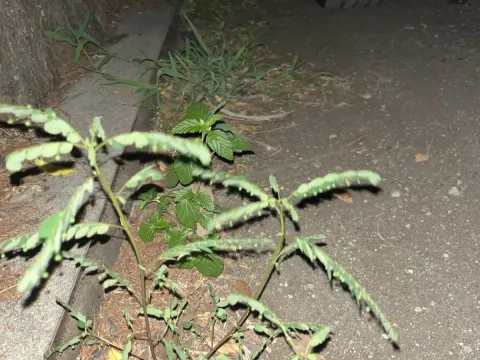
Phyllanthus urinaria
Phyllanthus urinaria
Phyllanthus urinaria is a tropical annual crop that requires warm conditions to germinate and thrive, necessitating a soil temperature of at least 18-20°C for direct sowing.
What the section contains
Phyllanthus urinaria
In temperate zones, it is highly recommended to start seeds indoors in trays or greenhouses to ensure a sufficient growing season before moving plants to the field.
Seeds are small and require surface sowing or very shallow coverage with soil, as light exposure plays a vital role in triggering the germination of the embryo.
Pre-sowing treatment, such as soaking seeds in warm water for several hours or using biological growth stimulants, can significantly improve the uniformity of field emergence.
Once the seedlings develop the first true leaves, they should be thinned or transplanted to maintain a proper spacing, ensuring each plant has adequate access to sunlight.
As a member of the Phyllanthaceae family, this plant is native to tropical regions and thrives best in warm, humid climates with consistent rainfall and high light levels.
The ideal soil for Phyllanthus urinaria is a light, well-draining loam that is rich in organic matter, avoiding heavy clay soils that retain excessive water and cause root rot.
Maintenance of soil moisture is essential throughout the growing cycle, though the plant is resilient enough to withstand short periods of dry conditions once established.
The optimal pH range for this crop is slightly acidic to neutral, specifically between 6.0 and 7.0, which allows for maximum nutrient uptake from the substrate.
Exposure to temperatures below 10°C is detrimental to the plant, so cultivation should be strictly limited to the frost-free season or controlled environment conditions.
The economic value of this crop is concentrated in its biomass, particularly the leaves and stems, which are harvested for their rich content of bioactive compounds.
With intensive cultivation and regular fertilization, farmers can achieve yields of approximately 2 to 3 metric tons of dried biomass per hectare.
Harvest timing is critical, as the peak concentration of medicinal compounds occurs during the flowering stage, just before the seeds begin to develop fully.
Productivity can be enhanced through proper canopy management and ensuring that plant density allows for optimal air circulation to reduce the incidence of disease.
Effective post-harvest handling, including rapid moisture reduction in drying facilities, is essential to maintain the quality and pharmacological value of the raw material.
The crop is generally hardy, but high humidity levels can lead to outbreaks of powdery mildew, especially if plants are grown too close together in the field.
Common pests like spider mites and whiteflies can infest the underside of the leaves, damaging the photosynthetic tissue and weakening the plant's overall health.
Root system issues are often associated with poor drainage or overwatering, which may facilitate the development of fungal pathogens like Pythium or Phytophthora.
Integrated pest management, including the use of neem-based insecticides and biological controls, is preferred over broad-spectrum chemicals to preserve the quality of the medicinal harvest.
Strict field hygiene, including the removal of infected plants and surrounding weed debris, is the best strategy for managing and preventing the spread of diseases.
Harvesting is typically performed during the peak flowering period, which usually takes place 90 to 120 days after the initial sowing, depending on the variety.
The plants are harvested by cutting the stems about 5-10 cm above the soil surface, which allows for potential regrowth or simply provides clean, high-quality biomass.
Post-harvest, the raw material should be processed immediately by drying it in thin layers in a shaded, well-ventilated area to prevent fermentation or mold.
Controlled-temperature drying, usually maintained at around 40-45°C, is the most efficient way to ensure the long-term stability of the plant's secondary metabolites.
Once fully dried to a moisture content of about 10%, the material should be packed in airtight containers and stored in a cool, dark location to preserve its potency.