
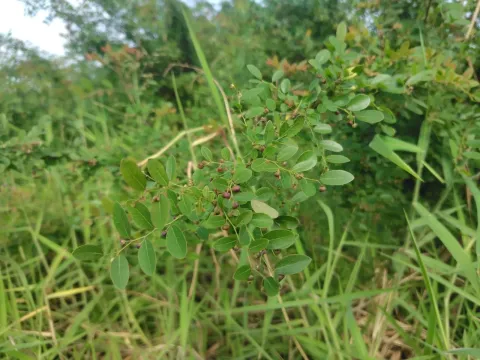
Phyllanthus reticulatus
Phyllanthus reticulatus
Phyllanthus reticulatus is a multi-stemmed perennial shrub or small tree belonging to the Phyllanthaceae family. The plant is characterized by its slender, drooping branches and small, elliptical leaves arranged in two rows, which gives the foliage a delicate, pinnate-like appearance throughout the growth season.
What the section contains
Phyllanthus reticulatus
Originating from the tropical regions of Africa and Asia, this species thrives in warm and humid environments. It is naturally found in riverine forests, coastal thickets, and open sunny areas. The plant is essentially a tropical crop that requires consistent warmth to maintain its vegetative vigor and does not tolerate freezing temperatures.
For optimal growth, Phyllanthus reticulatus requires well-drained, fertile soil, ideally a sandy loam or a rich loam mix. It prefers a slightly acidic to neutral soil pH. While the shrub is relatively drought-tolerant once fully established, it performs best when provided with regular moisture during the active growing season.
Agronomic management involves regular pruning to maintain the desired size and density of the shrub. Pruning is particularly important for hedge management or container gardening. Applying a balanced fertilizer during the growing phase encourages the production of healthy foliage and supports the development of its small, dark berries.
The plant has significant utility in traditional medicine, where various parts of the shrub are utilized for their bioactive properties. In landscape design, it is valued for its rapid growth and high tolerance to shaping, making it a reliable choice for privacy screens and dense ornamental hedges in tropical climates.
The primary threats to Phyllanthus reticulatus are fungal infections, typically triggered by poor drainage or excessive humidity around the root zone. Root rot is the most common condition that can lead to rapid decline, making the management of soil moisture an essential agronomic practice for any grower.
Aphids represent a major pest risk, particularly targeting new growth and tender leaf tips. Their feeding habits cause leaves to distort and wither, hindering photosynthesis. The use of insecticidal soaps or neem oil is widely recommended as an effective control measure to manage infestations without leaving harmful residues.
Spider mites are common in environments with low humidity, causing stippling and yellowing on the foliage. To mitigate this risk, growers should ensure proper spacing between plants to improve air circulation and consider routine misting if the plants are kept in greenhouse or indoor environments.
Scale insects can attach to the woody stems of the shrub, causing localized necrosis and drawing nutrients from the plant. Manual removal or the application of horticultural oils during the dormant or early growth period can help keep the plant clear of these stubborn pests and maintain its structural integrity.
Preventative care is key to managing the overall health of the crop. Ensuring that the foliage can dry out after rainfall or irrigation is vital, as moisture trapped within a dense canopy is the most common factor that leads to outbreaks of powdery mildew or other leaf spot diseases in commercial and private cultivation.