
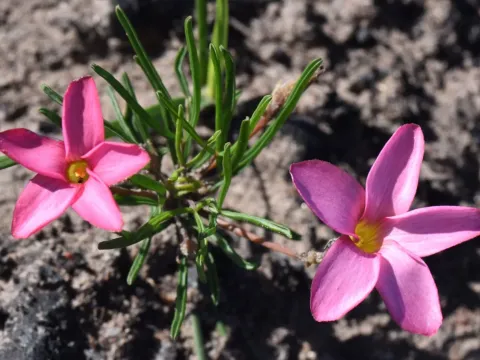
Many-leaved woodsorrel
Oxalis polyphylla
The many-leaved woodsorrel (Oxalis polyphylla) is a perennial bulbous plant belonging to the Oxalidaceae family. Native to South Africa, it has adapted to specific Mediterranean-like climate conditions characterized by winter rainfall and hot, dry summers.
What the section contains
Many-leaved woodsorrel
The cultivation of this species requires well-draining, gritty soil to replicate its natural environment. Poorly drained conditions pose a high risk of bulb rot, making sandy substrates or cactus mixes the ideal medium for container gardening.
This crop demands high light intensity to thrive and maintain its compact form. It is best positioned in locations that receive full sun for the majority of the day, ensuring that the foliage does not become leggy or weak.
Climate requirements include a distinct cycle of active growth followed by a necessary dormant phase. In colder regions, it must be protected from frost and kept in a dry, cool place during its winter dormancy to ensure future blooming.
Watering should be meticulous: abundant during the growing season while ensuring the soil remains moist but never waterlogged. As the plant naturally enters dormancy, watering must be suspended entirely to prevent bulb decay.
The primary threat to the health of Oxalis polyphylla is fungal pathogens causing root and bulb rot. These issues are almost exclusively linked to excessive soil moisture and insufficient drainage systems.
Spider mites are a common pest, particularly when the plant is kept in indoor conditions with low humidity. They thrive on the underside of the leaves, eventually causing the plant to lose its vibrant color and decline.
Aphids can infest the tender shoots and flower stalks, stunting growth and potentially spreading viral diseases. Early intervention with insecticidal soaps is usually sufficient to manage minor infestations.
Whiteflies may pose a problem in greenhouse settings where ventilation is poor. They damage the leaves by sap-feeding, which leads to general weakening and the development of sooty mold on the foliage surface.
Preventative measures include maintaining proper air circulation around the plants and ensuring the bulbs are completely dry and cleaned of debris before being placed in storage for the dormant season.