
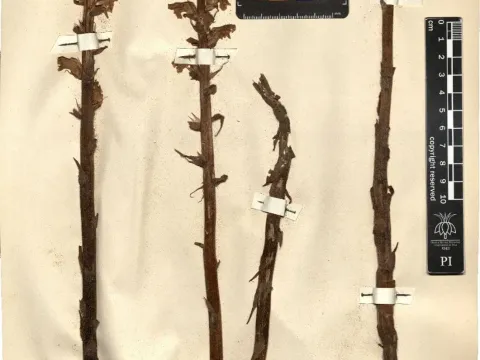
Calendula broomrape
Orobanche calendulae
Calendula broomrape (Orobanche calendulae) is a specialized parasitic plant species belonging to the Orobanchaceae family. It is an obligate parasite, meaning it cannot survive without a host.
What the section contains
Calendula broomrape
The geographic distribution of this species corresponds with the cultivation areas of its preferred host, the marigold (Calendula), primarily found in the Mediterranean and parts of Europe.
As a non-photosynthetic organism, the plant relies entirely on its host for water, carbohydrates, and minerals, which it extracts via a specialized organ called a haustorium.
The life cycle begins in the soil, where dormant seeds detect chemical root exudates from susceptible plants, triggering germination and subsequent attachment to the root system.
Soil conditions favored by this parasite include well-drained loams where both the host and the parasite can establish a strong physiological connection for nutrient extraction.
This parasitic weed poses a significant threat to agriculture, as it diverts essential nutrients away from the crop, leading to stunted growth and reduced ornamental or medicinal value.
Plants infested by Orobanche calendulae often show signs of nutrient deficiency, wilting, and in severe cases, total plant collapse due to the parasitic burden.
The control of this weed is notoriously difficult because the majority of its life cycle occurs underground, making early detection nearly impossible for farmers.
Key management strategies include the implementation of long-term crop rotation cycles to starve the seed bank in the soil and prevent the parasite from finding a host.
Strict phytosanitary measures are required to prevent the spread of tiny, dust-like seeds, which are easily transported by water, wind, or contaminated agricultural machinery.