
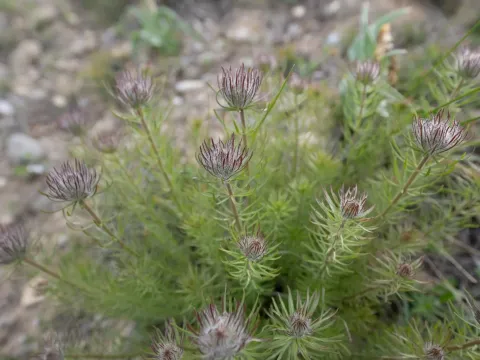
Bungea
Bungea
Bungea is a genus of plants that is not traditionally cultivated in agriculture, remaining primarily a subject of botanical and ecological research.
What the section contains

Bungea
In the wild, propagation is achieved through seeds that are highly specialized and often require specific environmental triggers for germination.
The life cycle of the plant is tightly synchronized with its host plants, which provides a significant challenge for any attempts at artificial cultivation.
Seed dormancy is a critical factor, as it serves as a mechanism to survive unfavorable seasons in the harsh steppe and mountainous environments.
Scientific interest in the propagation of this genus is focused on understanding the precise timing of germination in correlation with the host plant's root growth.
The genus belongs to the Orobanchaceae family and is classified as a hemiparasite, meaning it can photosynthesize but relies on hosts for resources.
Bungea typically inhabits arid, sunny environments with well-drained soil, often found in rocky or sandy substrates across its native range.
The presence of suitable host species is an absolute requirement, as the plant uses haustoria to tap into the root systems of neighbors.
It thrives in continental climates where high temperatures during the day and lower temperatures at night are common throughout the growing season.
Adequate sunlight is essential for the plant to maintain its photosynthetic activity, as it lacks the robust root system of non-parasitic plants.
Being a specialized hemiparasite, Bungea is largely resistant to many common pests that devastate standard commercial crops.
The main threats to its viability include root-borne fungal diseases, which are often exacerbated by poor soil drainage and excessive soil moisture.
Indirect threats occur when the host plant species are suppressed or eradicated by agricultural activities, leading to the collapse of the Bungea colony.
Insects that target the foliage are generally deterred by the plant's unique chemical defense mechanisms, likely including secondary compounds.
Habitat degradation remains the most significant risk factor, as the delicate balance between the parasite and the host is easily disturbed.