
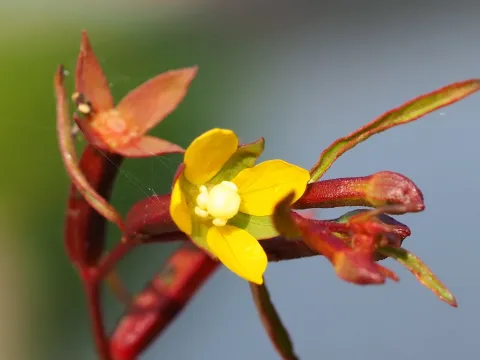
Ludwigia erecta
Ludwigia erecta
Ludwigia erecta is a herbaceous perennial belonging to the Onagraceae family, native to tropical regions. Propagation is typically managed in controlled nursery conditions to optimize germination rates before transplanting.
What the section contains
Ludwigia erecta
Sowing should coincide with the onset of the wet season, as high humidity and consistent warmth are essential for the emergence of the seedlings from the soil surface.
The seeds require light exposure, so they are placed on the surface of moist, nutrient-rich substrate without burying them, ensuring they remain in direct contact with moisture.
Maintaining a stable temperature of 25 to 30 degrees Celsius is critical for early development, facilitating the establishment of a robust root system before transplantation.
Seedlings are transferred to the permanent field once they reach a height of approximately 15 centimeters, ensuring they have sufficient space to spread and thrive in open conditions.
This crop demands high levels of direct solar radiation and performs best in open, unshaded areas where it can maximize its photosynthetic potential throughout the growing season.
The soil should be rich in organic matter with a slightly acidic pH, as the plant is adapted to moist, riparian environments where it thrives in damp conditions.
Although it requires consistent soil moisture, it can tolerate temporary waterlogging, making it an excellent choice for areas with poor drainage that might impede other crops.
Regular application of nitrogen-based fertilizers is recommended to support rapid vegetative growth and ensure the production of high-quality plant material for harvest.
Proper spacing between plants is essential to promote airflow, which helps regulate microclimate conditions and prevents the accumulation of excessive surface moisture.
The primary threat to Ludwigia erecta is infestation by lepidopteran larvae, which can consume large amounts of leaf tissue if left unmanaged during the peak growing months.
Fungal pathogens, particularly root rot, are common in poorly ventilated or excessively stagnant conditions, posing a significant risk to the plant's overall health.
Leaf spot diseases can spread rapidly through a plantation if humidity levels remain high and air circulation is insufficient, necessitating careful monitoring of leaf health.
Integrated pest management, including the use of biological control agents and resistant cultural practices, is recommended to maintain a healthy plantation.
Regular inspection of the fields allows for early identification of disease hotspots, enabling targeted treatments rather than broad-spectrum chemical interventions.
The harvest focuses on the aerial parts of the plant, which are collected before the onset of flowering to ensure the maximum concentration of bioactive compounds.
Using sharp, sanitized cutting tools ensures that the harvest is clean and minimizes trauma to the plant, which promotes faster recovery for subsequent growth cycles.
Post-harvest processing involves immediate cleaning and sorting to remove any non-target debris or diseased tissues before the material is moved to the drying facility.
Drying must be conducted in a well-ventilated, shaded environment to preserve the volatile oils and chemical integrity of the harvested material.
Final storage should occur in cool, dark, and dry conditions to prevent the degradation of the product, ensuring high quality for pharmaceutical or industrial use.