
Hauya
Hauya
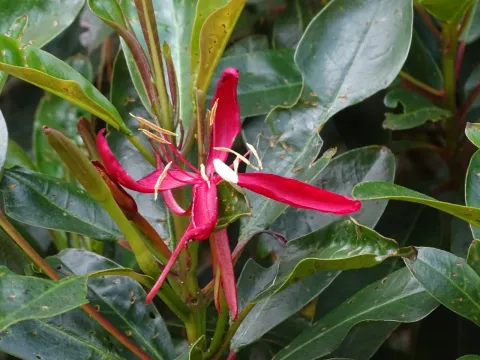
The genus Hauya belongs to the Onagraceae family and consists of shrubs and trees native to the mountainous regions of Central America, primarily found in Mexico and Guatemala.
What the section contains

Hauya
These plants typically inhabit humid tropical forest environments where they thrive under canopy light, requiring consistent atmospheric moisture to maintain healthy growth cycles.
For successful cultivation, growers must provide well-draining, nutrient-rich soil that mimics the organic-heavy substrates found in their natural highland habitats.
The agricultural requirements emphasize the need for protection from direct, harsh sunlight and the maintenance of a consistent temperature range to prevent plant physiological stress.
Proper water management is essential; irrigation should be applied judiciously to ensure the substrate remains moist but never saturated, as the root systems are sensitive to waterlogging.
The primary threats to Hauya include fungal infections that manifest as root rot or leaf spots, usually triggered by improper drainage and stagnant air conditions.
Pests such as spider mites and aphids are known to target young, succulent growth, especially in environments where humidity levels are not sufficiently maintained for the plant's health.
Integrated pest management strategies involve periodic inspection of foliage and the application of suitable biological controls when infestation thresholds are reached.
Preventive measures include optimizing air circulation around the plants and ensuring that the growing media is sterilized or refreshed regularly to avoid soil-borne pathogens.
By maintaining a balanced environment and monitoring for early signs of distress, cultivators can significantly improve the longevity and aesthetic quality of these plants.