
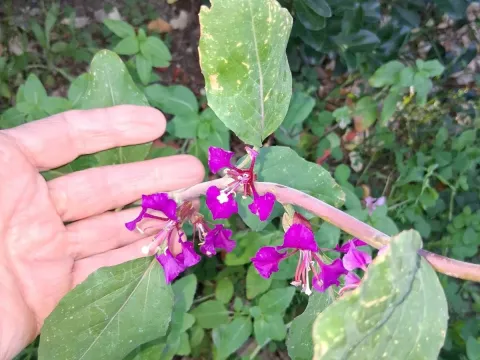
Godetia
Godetia
Godetia, a genus in the Onagraceae family, is a charming annual plant native to the western regions of North and South America. Sowing seeds directly into the garden soil is best done in mid-spring when the earth has sufficiently warmed.
What the section contains

Godetia
For earlier blooms, gardeners often start Godetia seeds indoors. Sowing in seed trays should occur six to eight weeks before the last expected frost date, using a well-draining, sterile potting mix.
Seedlings need to be handled with extreme care during transplanting, as Godetia is notorious for having a fragile root system. Using biodegradable pots can help minimize root disturbance when moving to the final location.
Space the plants approximately 8 to 12 inches apart to ensure adequate airflow. Proper spacing is essential to reduce the risk of fungal infections and to allow each plant to reach its full aesthetic potential.
Once seedlings are established, they are quite hardy and can tolerate cool temperatures. However, they should be hardened off properly before being placed in their permanent outdoor positions to ensure survival.
The primary requirement for successful cultivation is full sunlight. Godetia plants thrive when exposed to at least six to eight hours of direct sunlight per day, which ensures healthy stem growth and prolific flowering.
The soil should be fertile, well-draining, and slightly acidic to neutral. If the soil is heavy clay, amending it with organic matter or sand is necessary to prevent waterlogging, which the plant detests.
Watering practices should focus on maintaining consistent soil moisture without allowing the ground to become waterlogged. During periods of extreme summer heat, supplemental watering is necessary to prevent wilting.
Feeding the plants with a balanced, low-nitrogen fertilizer during the active growing season will promote more vibrant and lasting blooms. Nitrogen-heavy fertilizers should be avoided as they promote foliage over flowers.
Regular deadheading of spent flowers will encourage the plant to direct its energy into producing new buds, thereby extending the overall blooming season significantly throughout the summer months.
The most common disease affecting Godetia is downy mildew, particularly in humid and cool environments. This manifests as discoloration on the leaves and can spread rapidly if not addressed immediately.
Root rot is another significant threat, usually caused by overwatering or poor drainage. Ensuring that the soil is light and airy is the most effective cultural method to prevent this condition from developing.
Insect pests, such as aphids and leaf miners, may attack the plants by feeding on sap and foliage. Regular scouting of the plants is essential for early detection and manual removal of minor infestations.
For more severe pest issues, the use of insecticidal soaps or horticultural oils is recommended. These treatments are generally effective and safer for the environment than harsh chemical pesticides.
Maintaining a clean garden by removing weeds and plant debris will significantly lower the population of pests and pathogens. Healthy, vigorous plants are inherently more resistant to environmental stressors and disease.